What’s the difference between all metal and plastic diesel air heater?
2026-06-23 14:26:50
The biggest gap between all-metal (304 stainless steel / full aluminum alloy) and plastic diesel air heaters lies in heat resistance, corrosion resistance, service life, safety and applicable scenarios. Plastic heaters are budget-friendly for short-term mild use, while all-metal models are heavy-duty for harsh, humid, marine and long-haul commercial use.
1. Material & Heat Dissipation Performance
All-Metal Diesel Air Heater
Main material: Brushed 304 stainless steel or thick aluminum alloy integrated housing.
Excellent thermal conductivity: Quickly dissipates internal high temperature generated during combustion, lowers internal chamber heat buildup, reduces overheating risk and carbon accumulation inside the heater core.
High temperature tolerance: Resists long-term continuous high heat without deformation, softening or melting, even running at full power overnight at -40°C extreme cold.
No harmful odor: Metal does not release toxic plastic fumes when heated, keeping cabin air clean and avoiding strange burnt plastic smell after long running hours.
Plastic Diesel Air Heater
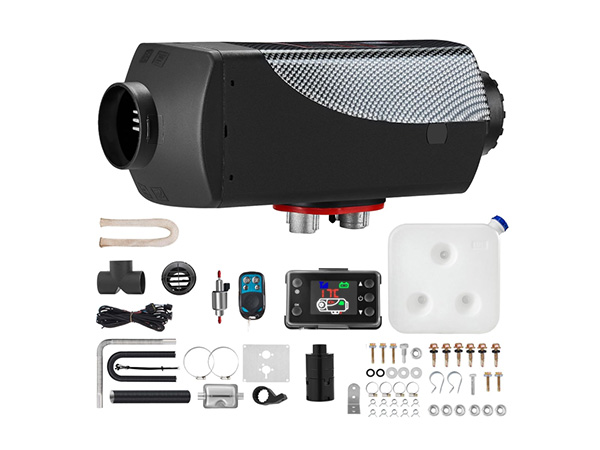
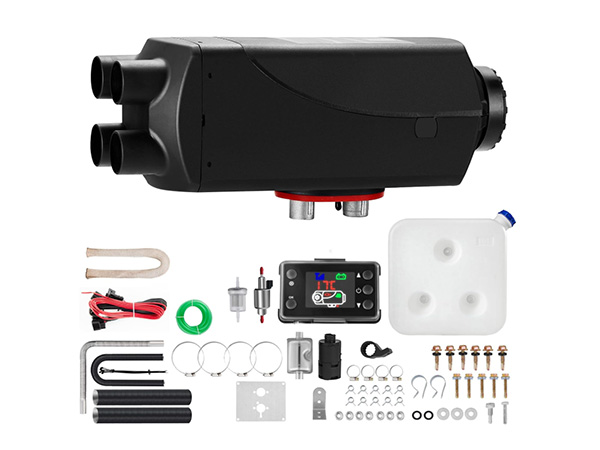
Main material: Flame-retardant ABS / PC engineering plastic shell.
Poor heat dissipation: Plastic blocks heat outflow; heat accumulates inside the unit, speeding up carbon buildup and triggering overheat protection more easily.
Limited heat resistance: Long-time full-load operation will make plastic turn yellow, warp or become brittle after months of use. Low-quality plastic may release volatile odors under sustained high temperature.
Light insulation advantage: Plastic conducts less surface heat, so the outer shell feels cooler to touch during operation.
2. Corrosion & Environmental Adaptability
All-Metal Heater
Outstanding anti-corrosion capacity: 304 stainless steel resists salt fog, sea spray, rain and high humidity perfectly. Ideal for boats, yachts, coastal vehicles, agricultural machinery and construction equipment exposed to damp air.
Anti-rust & easy to clean: Smooth brushed metal surface repels oil stains, mud and salt residue; wipe clean without aging or discoloration.
Weatherproof for all climates: Works reliably in snowy, rainy, high-altitude and coastal areas without shell degradation.
Plastic Heater
Weak anti-aging performance: UV sunlight, sea salt and constant dampness will make plastic fade, crack and turn brittle within 1–2 years.
Not for marine use: Salt mist penetrates tiny plastic gaps, damages internal wiring and causes premature failure. Only suitable for dry inland trucks and cars without long-term outdoor exposure.
3. Durability & Mechanical Strength
All-Metal Heater
Super impact resistance: Thick metal shell withstands bumps, vibration on rough mountain roads, farm terrain and boat rocking; will not crack or dent easily during installation or transport.
Long service lifespan: Stable structure extends overall heater life by 2–3 years compared to plastic versions, less frequent replacement.
Anti-vibration: Tight metal sealing joints prevent air leakage under continuous vehicle vibration.
Plastic Heater
Fragile against impact: Hard knocks, tool collision or heavy vibration may crack the plastic housing, breaking internal airtightness.
Aging brittleness: After seasonal temperature cycles, plastic loses toughness and cracks easily under slight impact.
4. Weight, Cost & Installation
All-Metal Heater
Heavier weight: Stainless steel shells add 1.5–3kg extra weight, requiring firm fixed mounting brackets during installation.
Higher production cost: Precision metal stamping and brushing process raise the retail price, 30%–60% more expensive than plastic models.
Single color option: Mostly matte silver brushed metal appearance, limited custom color choices.
Plastic Heater
Ultra-lightweight: Easy to lift and install under car seats, reduces load on vehicle chassis.
Low cost: Simple injection molding cuts manufacturing cost, making it the most cost-effective choice for private car users with limited budget.
Rich color options: Can be molded in red, black, grey two-tone shells for better visual matching with car interiors.
5. Suitable Application Scenarios
Choose All-Metal Diesel Air Heater If You Need:
Marine use (fishing boats, yachts, sailboats) with salt fog exposure
Long-haul heavy trucks, RVs, campers for year-round overnight heating
Construction vehicles, agricultural machinery, off-road vehicles working outdoors in rain/snow
Coastal area vehicles with high humidity and salt air
Users pursuing long service life, zero odor and top safety performance
Choose Plastic Diesel Air Heater If You Need:
Short-term use for private sedans, small hatchbacks in dry inland regions
Budget-limited temporary heating needs
Indoor hidden installation under seats, where surface coolness is preferred
Occasional winter use without long-hour continuous running
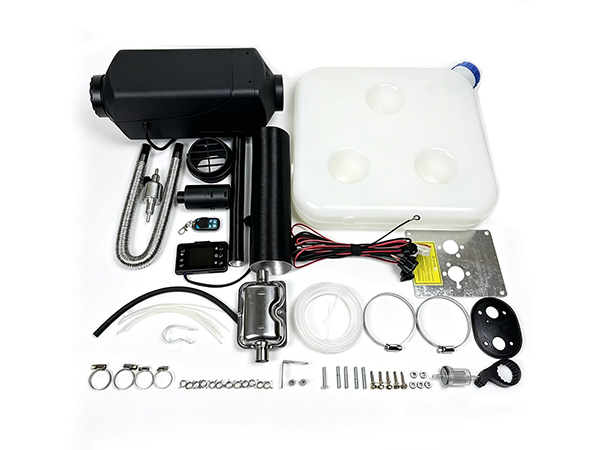
Product Specifications: Rated voltage:12V/24V/12V-24V Rated current:16A Thermal power:...