Diesel Air Heater Altitude Mode Guide
2026-10-13 17:59:08
A diesel air heater burns fuel in a fixed air-to-fuel ratio, and that ratio changes the moment the vehicle climbs above about 1500 to 2000 metres, because the air becomes thinner. Without an altitude adjustment, the burner runs too rich, produces soot and fails to maintain heat. This guide explains what altitude mode is, when to use it and how to set it up.
Why Altitude Matters for Combustion
At sea level the combustion chamber draws in dense oxygen-rich air. As altitude increases, air density drops, so the same amount of fuel receives less oxygen. A fixed fuel pump timing that works well at sea level then over-fuels the flame, leading to incomplete combustion, black smoke, carbon buildup and unstable burning. Studies of auxiliary heaters note that combustion behaviour is sensitive to operating conditions, which is exactly why modern units include an altitude compensation setting.
What Altitude Mode Does
Altitude mode tells the controller to reduce the fuel pump timing or pulse rate so that the fuel-air mixture stays correct at thin-air conditions. The result is a clean, stable flame with less smoke and soot, better efficiency and longer burner life. On many controllers the setting is a simple switch or menu option, and some units offer a few altitude bands rather than a single on-off choice.
When to Switch It On
Engage altitude mode whenever the heater will be used above the manufacturer's threshold, typically from around 1500 to 2000 metres. This matters for mountain passes, high-plateau routes, remote workshops at elevation and camping trips in upland regions. If a journey climbs and descends, switch the mode back to normal once you return to low altitude so the heater is not under-fuelled at sea level.
Symptoms of Running Without Adjustment
If the heater is used at altitude without enabling altitude mode, watch for repeated failed starts, visible smoke from the exhaust, a strong smell of unburned fuel, rapid carbon buildup and heat that drops off after a short run. These signs mean the mixture is too rich and the heater needs the altitude setting before further use.
Setting Up Altitude Mode
Refer to the controller menu and select the altitude band that matches the operating elevation, then run the heater through a complete warm-up cycle to confirm a steady flame. Keep the air intake and exhaust clear at high altitude, because thinner air offers less margin for blockages. With altitude mode correctly set, the heater delivers the same reliable warmth in the mountains as it does by the coast.
References
Miklnek, L., & Gotfrd, O. (2014). Study of exhaust emissions reduction of a diesel fuel operated heater during transient mode of operation. Czech Technical University in Prague.
Karjalainen, P., Nikka, M., Olin, M., Martikainen, S., Rostedt, A., Arffman, A., & Mikkonen, S. (2021). Fuel-operated auxiliary heaters are a major additional source of vehicular particulate emissions in cold regions. Atmosphere, 12, 1105.
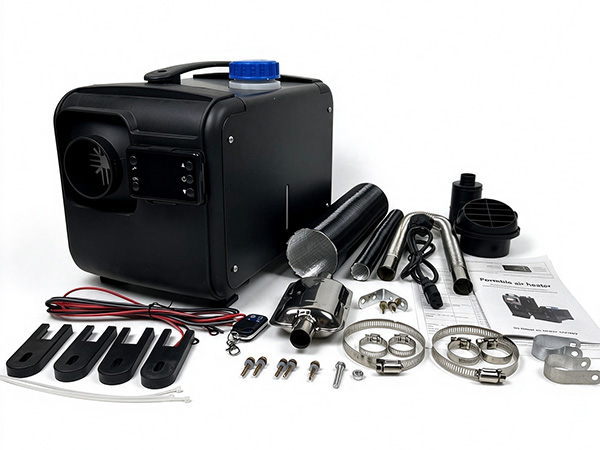
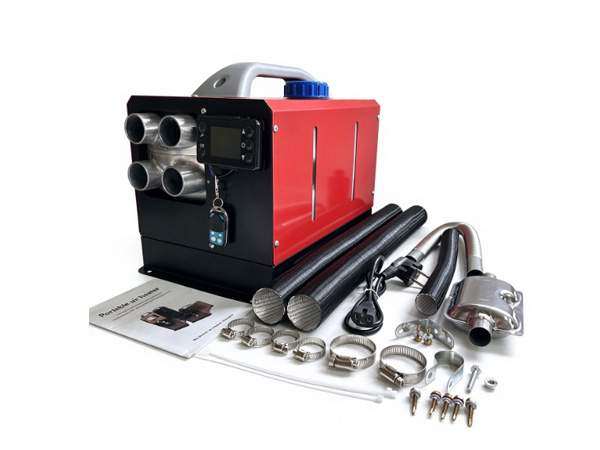
Note: The types and quantities of accessories can be adjusted according to customer require...
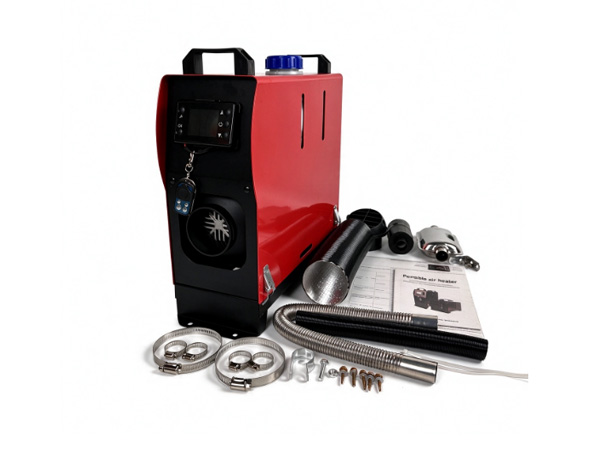
Diesel air heater 5KW/8KW Product Usage: Used for heating small spaces, suitable for small ...
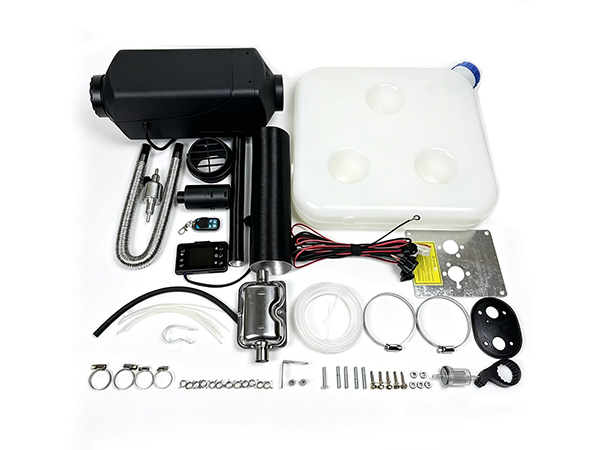
Product Specifications: Rated voltage:12V/24V/12V-24V Rated current:16A Thermal power:...