Diesel Air Heater vs Electric Cab Heater: Which Fits Your Vehicle
2026-10-14 11:38:49
Diesel Air Heater vs Electric Cab Heater: Which Fits Your Vehicle
Choosing between a diesel air heater and an electric cab heater is less about which is newer and more about where the energy comes from. One burns fuel on board, the other draws current from a battery or the grid. For a parking heater supplier, the right answer depends entirely on how the vehicle is used, how long it sits, and whether it has access to shore power. Getting this wrong means a heater that cannot do its job when it matters most.
Where the energy actually comes from
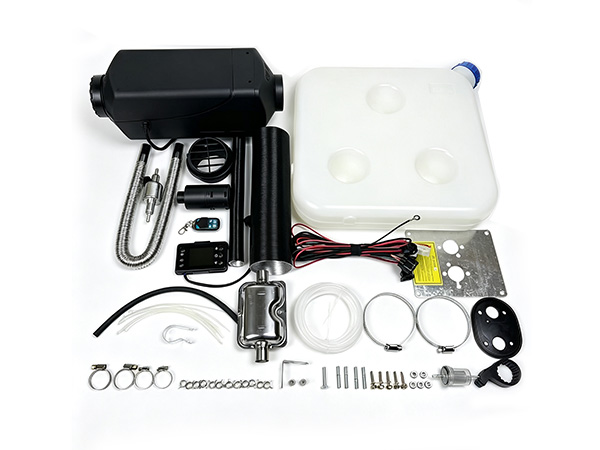
An electric heater is simple: pass current through a resistive element and it gets hot. The catch is the bill. A 1.5 kW element pulls that from the battery or a wall socket, and off-grid that drain adds up fast. A diesel parking heater, by contrast, makes its own heat from a thimble of fuel and only sips a few amps for fans and control. On a remote site or a parked truck with no hookup, that difference is the line between warm and dead battery by morning.
Runtime without an engine running
This is the point most buyers miss. An electric cab heater tied to the starter battery will flatten it in a couple of hours if the engine is off. A diesel unit is built to run all night because it is not leaning on the battery for heat, only for a small fan. That is why drivers who sleep in the cab or technicians who wait in a shelter choose a combustion heater for overnight use, and reserve electric options for short, grid-connected stops.
Installation and space
Electric heaters win on simplicity. Screw it in, wire it to a fused circuit, done. A diesel air heater asks for more: a fuel pick-up, a small exhaust run, fresh-air intake, and a mounting spot away from flammable material. The extra work pays back in independence. A manufacturer that ships a complete kit with labelled harness and a clear diagram removes most of that friction, so the install stays a half-day job rather than a weekend puzzle.
Cost per hour of warmth
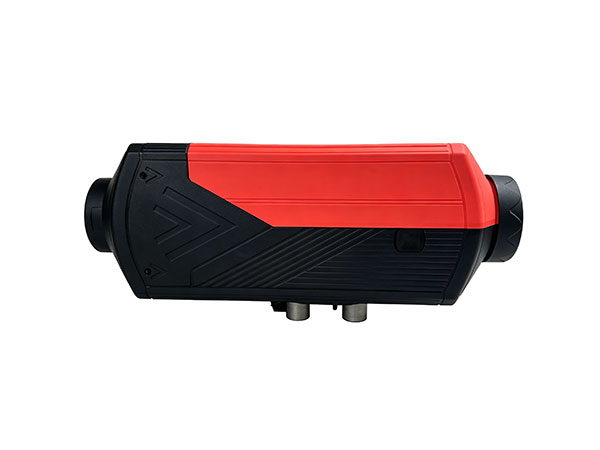
People often assume electric is cheaper because diesel has a price per litre. But compare delivered heat: a diesel parking heater burns roughly 0.1 to 0.5 litres per hour depending on power, while an electric element of similar output can draw far more in stored or bought energy over the same period when off-grid. For grid-tied, short use, electric can be tidy. For continuous, unattended, off-grid heating, diesel is the economical pick. A good supplier will show both numbers instead of only the one that flatters the product.
When electric still makes sense
There are real cases for electric. Indoor spaces where any combustion is banned, short pre-heat at a depot with shore power, or hybrid vans already carrying large battery banks. The mistake is forcing one technology into the other's role. Matching the heater to the duty cycle is the job of a parking heater manufacturer that asks about your vehicle and routine before quoting, not after.
What a factory brings to the decision
A trader sells what is in stock. A proper parking heater factory helps you spec: 12V or 24V, 2 kW for a van or 5 kW to 8 kW for a truck sleeper, with or without altitude mode for mountain routes. That consultation turns a generic purchase into a fitted solution, and it is the part buyers remember when the first cold snap hits and the unit just works. Sourcing from a manufacturer with export experience also means the paperwork, plugs, and voltages match your market from day one.
Safety and ventilation basics
Both technologies need respect, but the risks differ. An electric heater is low risk in a vented space yet useless if the wiring is amateur. A diesel parking heater demands correct exhaust routing above all, because its heat comes from real combustion. A responsible parking heater supplier will refuse to skip the exhaust check and will point to the sealed chamber as the reason cabin air stays safe. Treat the install as permanent infrastructure, not a temporary fix, and both options serve well for years.
Making the call for your fleet
The practical rule is straightforward. If the vehicle sits where shore power is guaranteed and use is short, electric is tidy and cheap. If it parks remote, runs overnight, or serves a truck sleeper, a diesel air heater is the honest choice. A manufacturer that stocks both lets you fit each unit to its duty instead of forcing one product on every job. That neutrality, backed by spare parts and clear manuals, is what separates a real supplier from a catalogue reseller.
References
U.S. Department of Energy. "Fuel Economy in Cold Weather." FuelEconomy.gov.
Natural Resources Canada. "Driving in Cold Weather." Energuide.ca.
Wikipedia contributors. "Electric heating." Wikipedia, The Free Encyclopedia.
SAE International. "Auxiliary Heater Technologies." SAE Technical Resources.
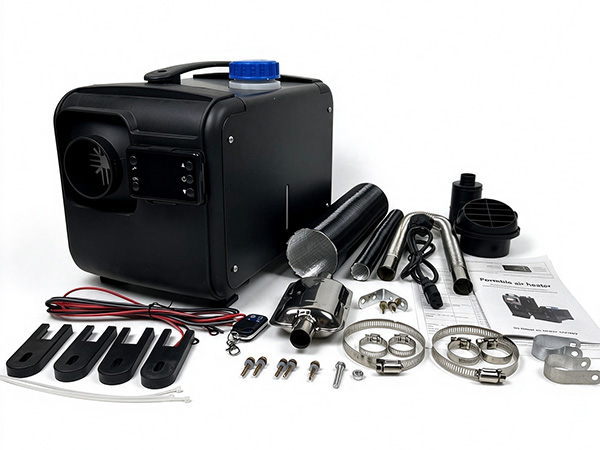
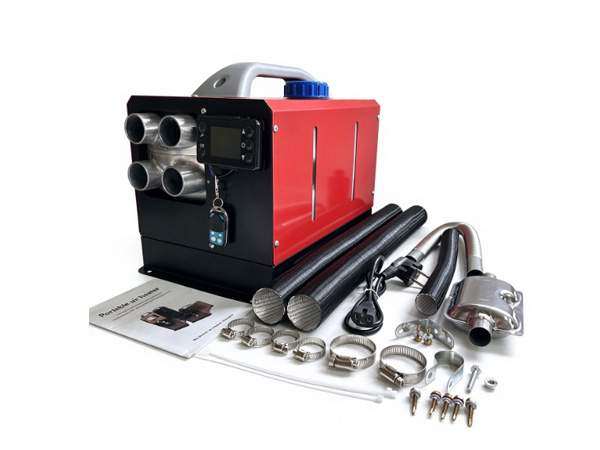
Note: The types and quantities of accessories can be adjusted according to customer require...
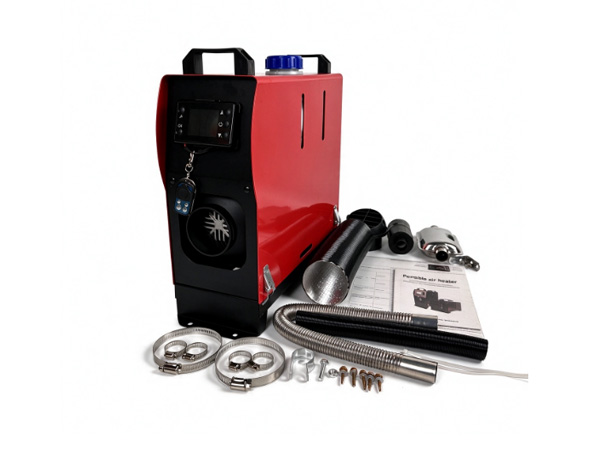
Diesel air heater 5KW/8KW Product Usage: Used for heating small spaces, suitable for small ...
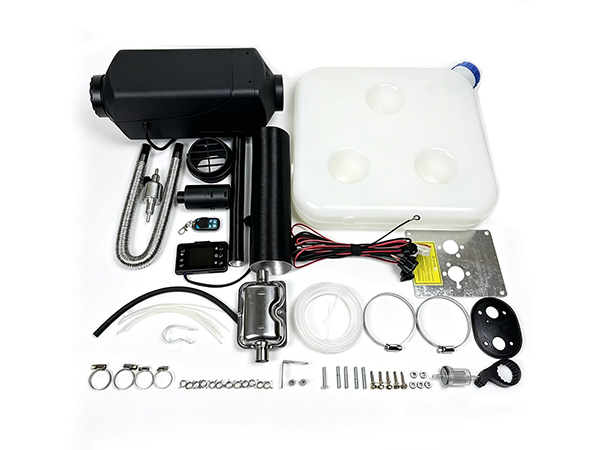
Product Specifications: Rated voltage:12V/24V/12V-24V Rated current:16A Thermal power:...