Diesel Heater Maintenance Tips for Long Lasting Performance
2026-08-19 09:51:26
Diesel Heater Maintenance Tips for Long Lasting Performance
Regular maintenance ensures diesel parking heaters deliver reliable performance throughout years of cold weather operation. These sophisticated systems combine combustion, electrical, and mechanical components that require periodic attention to maintain peak efficiency. Following established maintenance procedures protects your investment and ensures dependable heating when temperatures drop.
Understanding Maintenance Requirements
Diesel heaters operate in demanding conditions that gradually affect component condition. Combustion byproducts accumulate in heat exchangers, fuel filters capture contaminants, and electrical connections experience vibration stress. Factory maintenance schedules address these deterioration mechanisms before they cause performance problems or failures. Suppliers providing comprehensive documentation outline specific maintenance tasks and intervals for their products.
Maintenance frequency depends on operating hours and environmental conditions. Heaters operated in dusty environments require more frequent filter service, while those in humid climates benefit from more regular corrosion inspection. Factory guidelines provide baseline maintenance intervals that users should adjust based on their specific operating conditions and heater usage patterns.
Air Filter Maintenance
Air filters protect the combustion system from dust and debris that could impair operation or cause damage. Restricted airflow reduces combustion efficiency and can cause incomplete burning that deposits carbon on internal components. Factory maintenance schedules typically specify air filter inspection every 300-500 operating hours, with cleaning or replacement as needed.
Cleaning procedures vary by filter type. Some filters allow washing with mild soap and water, while others require compressed air cleaning or replacement when dirty. Suppliers providing maintenance instructions specify appropriate cleaning methods for their filter designs. Never operate heaters with damaged or excessively dirty filters, as this compromises both performance and component longevity.
Fuel System Service
Fuel filters prevent contaminants from reaching the combustion chamber and fuel pump. Even clean diesel fuel contains particles that filters trap over time. Factory fuel filter replacement intervals typically range from annually to every 1000 operating hours, depending on fuel quality and operating conditions. Suppliers stocking replacement filters ensure customers can maintain their heating systems properly.
Fuel line inspection should accompany filter service. Check lines for cracks, kinks, or connection degradation that could cause leaks or restrict fuel flow. Fuel pump operation can be verified by listening for consistent pumping sounds during heater operation. Professional service technicians have equipment to test fuel delivery rates and pressures that indicate pump condition.
Combustion Chamber Inspection
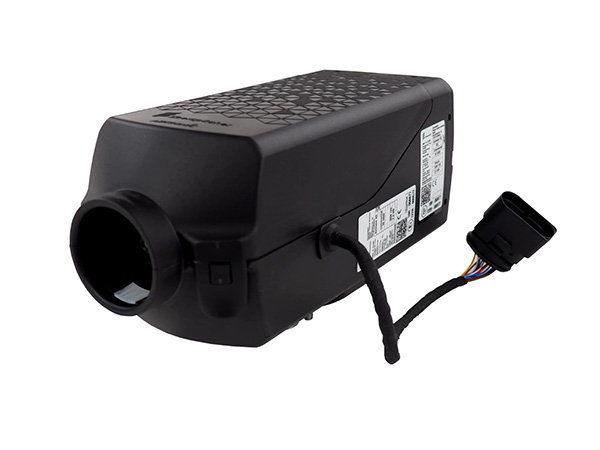
Carbon buildup in the combustion chamber and heat exchanger gradually reduces heating efficiency. Normal diesel combustion produces small amounts of carbon that accumulate over time, particularly when heaters operate at low power settings for extended periods. Factory service procedures specify combustion chamber inspection intervals and cleaning methods appropriate for each heater model.
Cleaning typically involves accessing the combustion chamber through service ports and using specialized brushes or scrapers to remove carbon deposits. Some heaters require component removal for thorough cleaning. Suppliers providing service tools make this maintenance more accessible for owners and technicians. Professional cleaning services offer thorough combustion system service for owners uncomfortable performing this work themselves.
Ignition System Maintenance
Glow plugs or ignition elements that initiate combustion gradually degrade with use. These components typically last several thousand operating hours but eventually require replacement. Factory testing identifies ignition system degradation through slow starting or failed ignition attempts. Keeping spare glow plugs on hand ensures quick replacement when needed, particularly during heating season.
Ignition system inspection involves visual examination for damage and testing of electrical resistance or current draw. Suppliers providing ignition components include specifications that enable testing verification. Professional technicians have specialized test equipment for comprehensive ignition system evaluation during routine maintenance service.
Electrical System Checks
Electrical connections experience vibration and temperature cycling that can loosen terminals or corrode contacts. Annual inspection of all electrical connections ensures reliable operation and prevents intermittent problems. Factory wiring diagrams facilitate systematic connection inspection. Check ground connections particularly carefully, as poor grounding causes numerous operational issues.
Battery condition significantly affects heater operation, especially during cold starts. Verify battery capacity meets heater requirements and that batteries hold adequate charge. Suppliers specifying electrical requirements provide minimum battery capacity guidelines. Weak batteries may start the heater initially but fail to sustain operation during extended cold periods.
Exhaust System Inspection
Exhaust systems carry hot combustion products away from the vehicle and require regular inspection for damage or deterioration. Check exhaust pipes for cracks, holes, or corrosion that could allow dangerous exhaust gases to enter the cabin. Factory exhaust components use materials designed for high-temperature service, but even quality materials eventually degrade.
Exhaust pipe routing affects safety and performance. Verify that pipes remain properly secured and that clearances from combustible materials remain adequate. Suppliers providing exhaust inspection guidelines specify what to look for during routine checks. Any exhaust system damage requires immediate attention to prevent safety hazards.
Control System Verification
Modern heater control systems incorporate sensors and microprocessors that manage operation automatically. Testing control system functions ensures these systems work correctly when needed. Verify temperature sensors respond accurately, timers function properly, and safety shutdown systems activate correctly during test conditions. Factory diagnostic modes enable comprehensive control system testing.
Remote control systems require periodic verification of communication between remotes and heater receivers. Test remote operation range and confirm all remote functions work correctly. Suppliers offering advanced control systems provide troubleshooting guidance for remote-related issues. Battery replacement in hand-held remotes should occur annually or when remote range decreases noticeably.
Seasonal Preparation
Pre-season maintenance prepares heaters for reliable operation during heating season. This comprehensive service includes all routine maintenance tasks plus verification of system readiness for sustained cold-weather operation. Factory pre-season checklists help ensure no maintenance items are overlooked. Professional service providers offer seasonal preparation packages that address all heater systems comprehensively.
Post-season maintenance protects heaters during idle periods. Thorough cleaning, fuel system stabilization, and proper storage procedures prevent deterioration during months when heaters remain unused. Suppliers providing year-round support offer guidance on appropriate end-of-season procedures for their specific products.
Troubleshooting Common Issues
Understanding common problems helps identify when maintenance or repair is needed. Poor starting, weak heating output, unusual noises, or error codes indicate potential issues requiring attention. Factory troubleshooting guides provide systematic diagnostic approaches for common problems. Suppliers supporting their products with technical assistance help customers resolve issues efficiently.
Error code interpretation has become easier with modern digital control systems. LCD displays show error codes that identify specific problems, enabling targeted troubleshooting. Factory documentation explains error code meanings and recommended corrective actions. Professional technicians have access to advanced diagnostic tools that provide detailed operational data beyond basic error codes.
Professional Service Benefits
Professional heater service offers advantages beyond technical expertise. Certified technicians receive factory training on specific heater models and have specialized tools for comprehensive testing and repair. Service facilities maintain environmental controls and safety equipment appropriate for heater work. Suppliers authorizing service centers ensure these facilities meet quality standards.
Professional service records document maintenance history that supports warranty claims and resale value. Detailed service records demonstrate proper heater care to potential buyers if the vehicle is sold. Factory-authorized service centers maintain digital records that provide comprehensive maintenance history on demand.
Conclusion
Regular maintenance ensures diesel heaters deliver reliable performance throughout their designed service life. Following factory maintenance schedules, using quality replacement parts, and addressing problems promptly protects heating system investments. Partnering with reputable suppliers ensures access to parts, documentation, and technical support that makes maintenance effective and manageable for vehicle owners and operators.
References
Automotive Maintenance and Repair Association. "Auxiliary Heating System Maintenance Standards." AMRA Technical Guide, 2024.
Heating, Ventilation and Air Conditioning Engineers Society. "Diesel Heater Service Protocols." HVACES Publication, 2023.
Vehicle Maintenance Council. "Preventive Maintenance for Parking Heaters." VMC Recommended Practices, 2023.
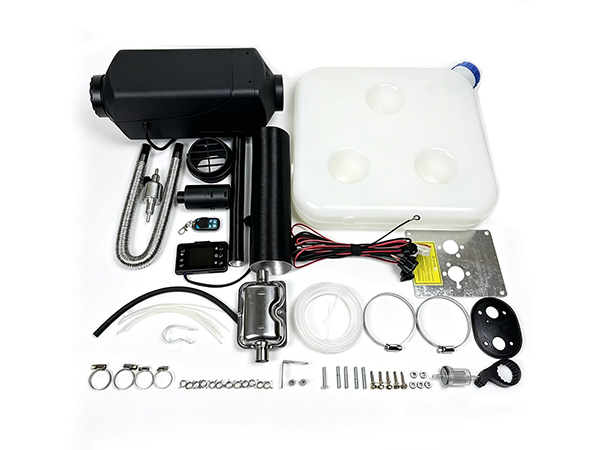
Product Specifications: Rated voltage:12V/24V/12V-24V Rated current:16A Thermal power:...