Diesel Parking Heater Safety Features and Industry Certifications
2026-10-07 22:43:29
Diesel Parking Heater Safety Features and Industry Certifications
Safety considerations rank among the most important factors when evaluating vehicle heating systems, particularly those burning fuel within enclosed spaces. Modern diesel parking heaters incorporate multiple protective features that prevent dangerous operating conditions and ensure user safety throughout their operational lives. Understanding these safety systems and the certifications that verify their effectiveness helps purchasers make responsible equipment decisions.
Multi-Layer Safety Architecture
Quality diesel heaters employ defense-in-depth strategies that provide multiple independent safety barriers against potential hazards. Rather than relying on single fail-safe mechanisms, these systems incorporate overlapping protections that prevent dangerous conditions even when individual components fail. This engineering philosophy acknowledges that vehicle environments present challenging conditions where multiple failures could theoretically occur simultaneously.
Factory safety engineering extends beyond component selection to encompass the complete system design. Heat shields isolate high-temperature components from flammable materials, while proper venting prevents dangerous gas accumulation. This comprehensive approach distinguishes professionally designed heaters from basic units assembled without systematic safety consideration.
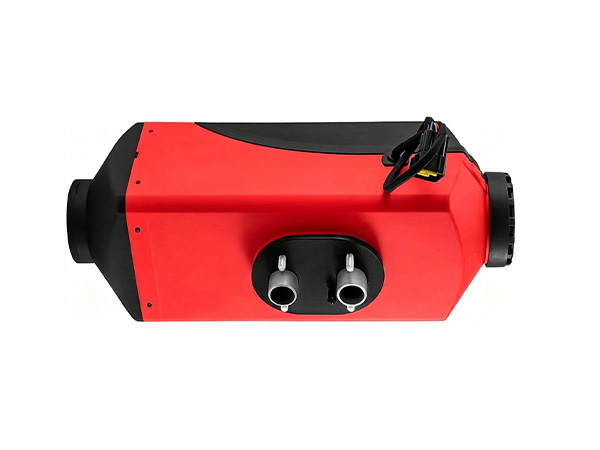
Flame Monitoring Systems
Continuous flame monitoring represents a fundamental safety feature that prevents fuel accumulation if combustion fails unexpectedly. Temperature sensors positioned within the combustion chamber detect whether proper burning continues after ignition. When sensors indicate flame failure, electronic controls immediately shut off fuel supply, preventing unburned diesel from pooling in the combustion chamber.
This monitoring operates throughout the entire heating cycle, not merely during initial ignition. If flame conditions deteriorate during operation due to fuel contamination, air supply interruption, or component degradation, the monitoring system responds immediately to restore safe conditions. Factory testing verifies these systems function correctly across the full range of operating conditions heaters might encounter.
Over-Temperature Protection
Excessive temperatures within the heater or exhaust system create fire hazards and component damage risks that require active prevention. Temperature sensors positioned at critical points continuously monitor heat levels, triggering automatic shutdown if readings exceed safe thresholds. This protection guards against scenarios including blocked airflow, excessive fuel delivery, or component failures that could cause dangerous overheating.
The over-temperature threshold provides appropriate margin above normal operating temperatures while ensuring response before conditions become hazardous. Factory calibration of these thresholds reflects detailed analysis of materials, component tolerances, and safety margins. Quality control testing verifies sensor accuracy and controller response throughout the production process.
Electrical System Protections
Electrical malfunctions present potential ignition sources that safety systems must address. Quality heaters incorporate fuse protection that prevents electrical faults from causing overheating or fire. Grounding systems ensure that electrical faults safely discharge rather than creating hazardous conditions. Factory electrical designs comply with applicable vehicle electrical standards that establish minimum safety requirements.
Reverse polarity protection prevents damage when battery connections are incorrectly made during installation or maintenance. Voltage surge protection guards sensitive electronics against transient voltage spikes that occur in vehicle electrical systems. These protections prove particularly valuable in commercial vehicle applications where electrical systems experience demanding conditions.
Exhaust Gas Safety
Carbon monoxide and other combustion byproducts require careful management to prevent cabin contamination. Quality heaters draw combustion air from outside the vehicle, ensuring that interior air remains uncontaminated by combustion processes. Factory-designed exhaust systems route products of combustion safely away from windows, vents, and areas where people might be present.
Exhaust system integrity monitoring provides additional protection against dangerous gas infiltration. Properly routed and secured exhaust pipes maintain separation from the passenger compartment throughout the heater operational life. Factory installation guidelines ensure this separation is maintained when heaters are installed according to manufacturer specifications.
Industry Safety Certifications
Third-party certifications verify that heaters meet established safety standards through independent testing. Organizations specializing in product safety testing examine heater designs, review engineering documentation, and conduct practical testing that confirms safety feature effectiveness. Factory certification to these standards provides objective evidence of safety compliance.
European Union CE marking indicates compliance with applicable EU safety directives, including those addressing combustion equipment safety. Underwriters Laboratory UL certification provides similar assurance for North American markets. Factory pursuit of these certifications demonstrates manufacturer commitment to safety beyond minimum regulatory requirements.
Emissions Compliance Standards
Environmental regulations address combustion emissions that affect air quality and public health. Quality heaters meet or exceed applicable emissions standards that limit released pollutants. Factory emissions testing verifies compliance with these requirements, providing documentation that supports regulatory compliance for vehicle operators.
Emissions standards vary regionally, with different requirements applying in European, North American, and other markets. Manufacturers producing heaters for multiple regions design products that meet the most stringent applicable requirements, simplifying compliance for customers operating vehicles across different jurisdictions.
Installation Safety Requirements
Safe heater operation depends significantly on proper installation that maintains safety separations and connections specified by manufacturers. Factory installation guidelines document requirements that ensure safe operation, including clearances from combustible materials, exhaust routing specifications, and electrical connection requirements. Professional installers receive training on these requirements and verify compliance during installation.
Certification programs for heater installers ensure that technicians understand safety requirements and know how to implement them correctly. Factory-authorized installation networks provide customers access to qualified professionals who have demonstrated competency in heater installation. This certification infrastructure supports safe installation practices throughout the service territory.
Operational Safety Guidelines
User education contributes significantly to safe heater operation. Factory operating instructions inform users about appropriate practices and potential hazards that require attention. These guidelines address topics including proper startup procedures, warning signs that might indicate problems, and requirements for regular safety-related inspection.
Carbon monoxide detectors provide important supplemental safety monitoring that protects vehicle occupants regardless of heater safety system effectiveness. Factory recommendations for detector installation help users understand appropriate placement and maintenance requirements. Many manufacturers incorporate detector compatibility or integration into their product designs.
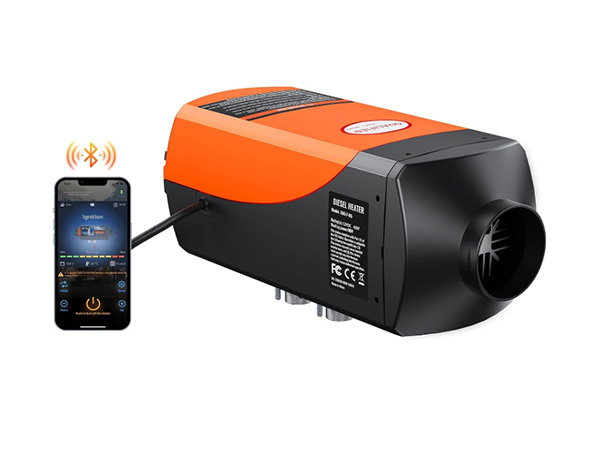
Maintenance for Safety
Safety system effectiveness depends on proper maintenance that keeps protective components functioning correctly throughout the heater operational life. Factory maintenance schedules identify inspection and service requirements that preserve safety system integrity. Neglecting these requirements can compromise safety features that would otherwise prevent dangerous conditions.
Professional maintenance services ensure that safety-critical components receive proper attention throughout the heater service life. Factory-authorized service centers employ trained technicians who understand safety system requirements and can verify proper function during routine service visits. This professional support infrastructure provides confidence that heaters remain safe throughout extended operational periods.
Choosing Safe Heating Equipment
Evaluating safety considerations helps purchasers avoid heaters that might create hazardous conditions during operation. Certification documentation, safety feature specifications, and manufacturer reputation provide indicators of product safety commitment. Suppliers who emphasize safety and provide comprehensive support infrastructure demonstrate this commitment in their business practices.
Long-term safety depends on manufacturer support that ensures replacement parts and service remain available throughout the heater service life. Established manufacturers maintaining production and parts inventories over extended periods provide better safety assurance than suppliers whose long-term viability might be uncertain.
Conclusion
Safety features and certifications provide essential protection for vehicle occupants using diesel parking heaters. Understanding these protective systems and the standards that verify their effectiveness enables informed purchasing decisions that prioritize user safety. Partnering with manufacturers and suppliers who demonstrate genuine commitment to safety ensures that heating solutions provide warmth without compromising the security of vehicle occupants.
References
Underwriters Laboratory. "Fuel-Burning Heating Appliance Safety Standards." UL 5099, 2024.
European Committee for Standardization. "Auxiliary Diesel Burners Safety Requirements." EN 13842, 2023.
National Fire Protection Association. "Vehicle Heating Equipment Safety Guidelines." NFPA 70B, 2024.
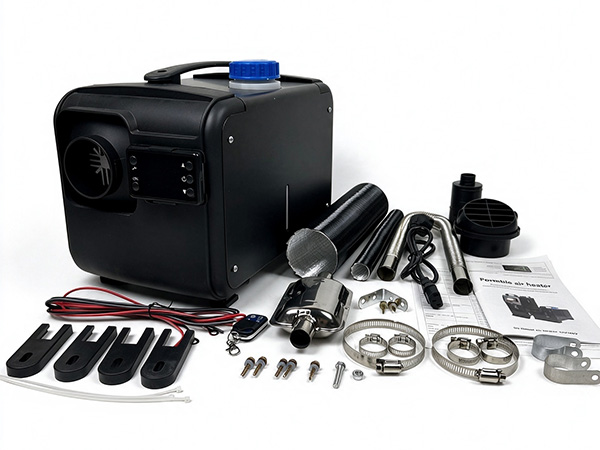
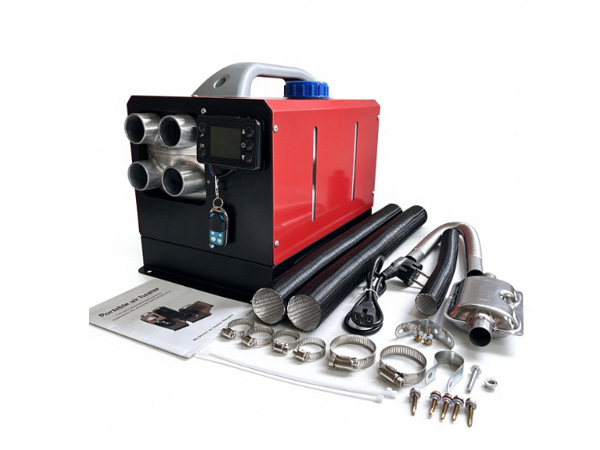
Note: The types and quantities of accessories can be adjusted according to customer require...
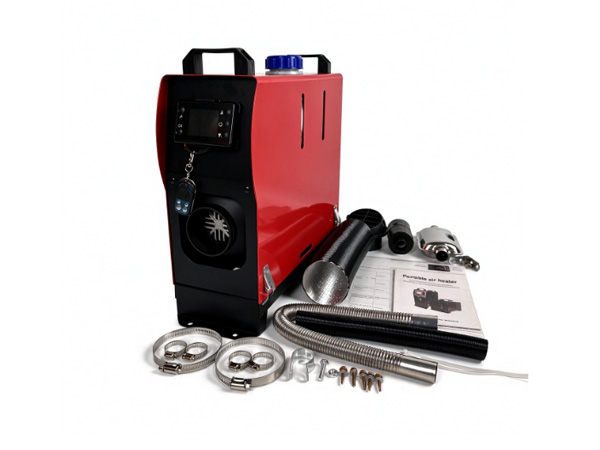
Diesel air heater 5KW/8KW Product Usage: Used for heating small spaces, suitable for small ...
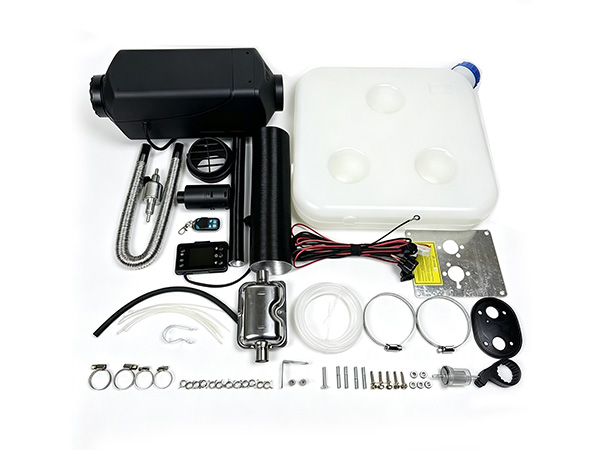
Product Specifications: Rated voltage:12V/24V/12V-24V Rated current:16A Thermal power:...