Horizontal Diesel Heater Fuel Saving
2026-10-13 17:59:07
How a Diesel Heater Saves Fuel
A horizontal diesel heater is purpose-built to produce heat from a tiny, controlled flame rather than from a large engine running at idle. Where an engine burns diesel just to keep a cab or cabin warm, the heater converts fuel directly into warm air with very little waste. That difference is the core reason owners report dramatic fuel savings over a winter of use.
Versus Idling the Engine
Idling a main engine to heat a cabin can consume several liters of diesel an hour while doing little useful work. A dedicated diesel heater, by contrast, typically uses a fraction of that amount for the same comfort. For truck drivers, boat owners, and RV travelers, cutting engine idle time also reduces wear, maintenance, and local emissions.
Modulating Burn Rates
Modern horizontal heaters adjust their fuel feed to match heat demand. Once the cabin reaches the set temperature, the unit turns down to a low power mode and sips fuel to hold warmth. This modulation is far more efficient than an old heater that simply cycles fully on and fully off.
Insulation Cuts Fuel Use
The heater only has to replace the heat that escapes. Improving cabin insulation, sealing drafts around windows and doors, and using insulated ducting all lower the workload. A well-insulated van can hold heat for long stretches on the lowest burner setting, which is where the biggest fuel savings appear.
Smart Thermostat Habits
Setting a modest overnight temperature rather than a high one keeps the heater on low power. Closing off unused rooms, parking out of the wind, and letting the sun warm the cabin during the day all reduce the fuel needed at night. A little planning multiplies the heater's efficiency.
Real-World Fuel Consumption
Owners commonly see consumption ranging from around a quarter of a liter per hour on low power to about half a liter or more at full heat, depending on the size class and conditions. Over a long weekend that is a small fraction of the fuel burned by an idling engine, and it is enough to keep a comfortable cabin through cold nights off-grid.
References
Zietsman, J., Johnson, J., Ramani, T., Farzaneh, R., Rodgers, M., Samoylov, A., Xu, Y., & Moore, A. (2015). Effectiveness of idle reduction technologies in reducing driver exposure to diesel emissions. Transportation Research Record: Journal of the Transportation Research Board.
Miklnek, L., & Gotfrd, O. (2014). Study of exhaust emissions reduction of a diesel fuel operated heater during transient mode of operation. Czech Technical University in Prague.
Karjalainen, P., Nikka, M., Olin, M., Martikainen, S., Rostedt, A., Arffman, A., & Mikkonen, S. (2021). Fuel-operated auxiliary heaters are a major additional source of vehicular particulate emissions in cold regions. Atmosphere, 12, 1105.
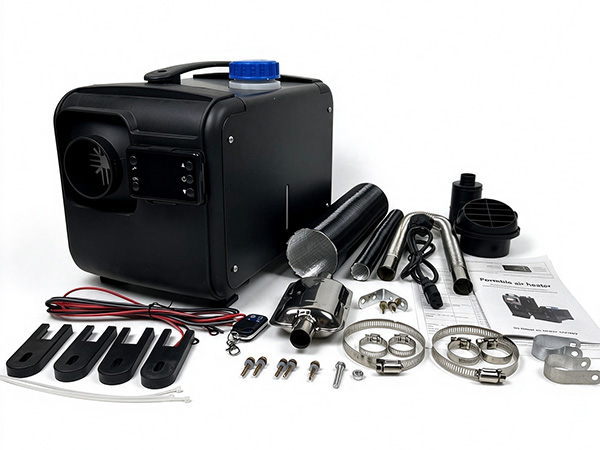
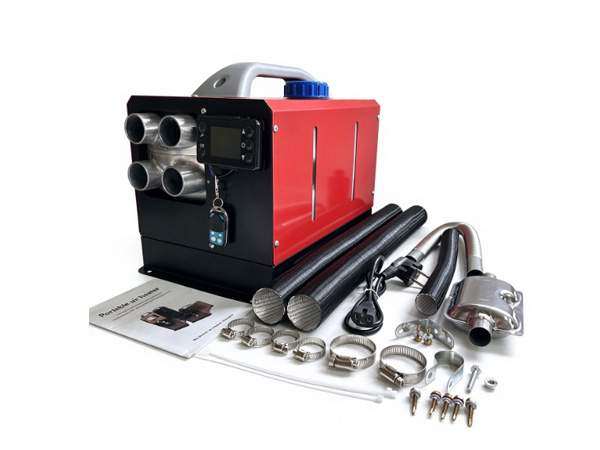
Note: The types and quantities of accessories can be adjusted according to customer require...
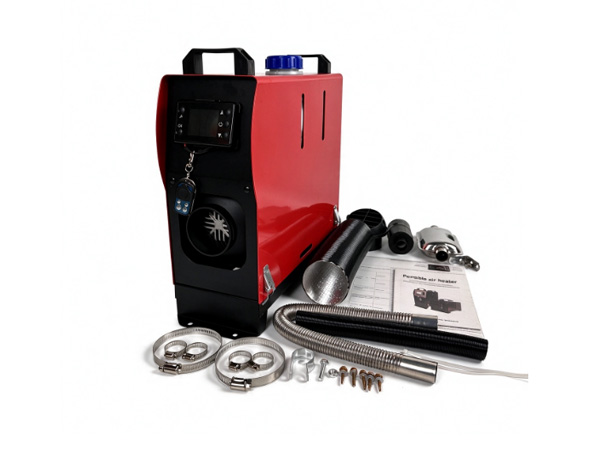
Diesel air heater 5KW/8KW Product Usage: Used for heating small spaces, suitable for small ...
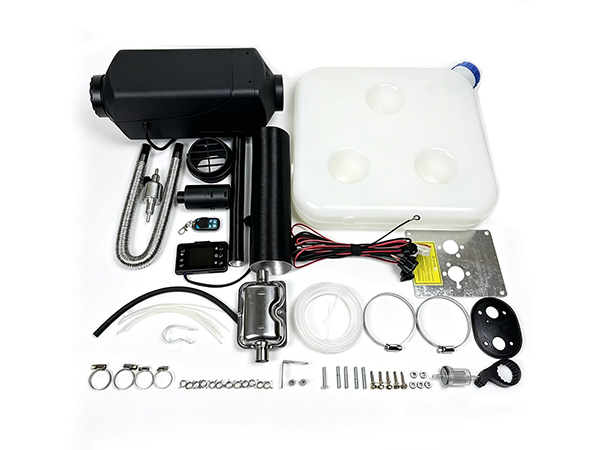
Product Specifications: Rated voltage:12V/24V/12V-24V Rated current:16A Thermal power:...