Can I install diesel air heater inside my van?
2026-06-23 14:31:54
What Is a Diesel Parking Heater and How Does It Work
When temperatures drop during long-haul journeys or overnight rest periods, maintaining a comfortable cabin environment becomes crucial for truck drivers and vehicle operators. A diesel parking heater serves as an indispensable solution, providing reliable warmth without keeping the engine running. This technology has revolutionized how commercial vehicles and recreational vehicles handle heating needs during stationary periods.
Understanding Diesel Parking Heater Technology
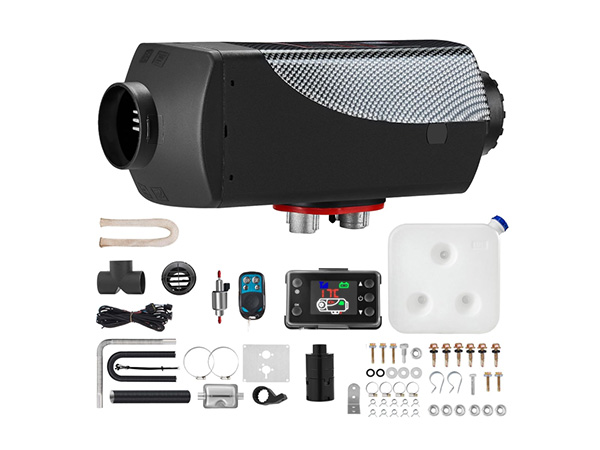
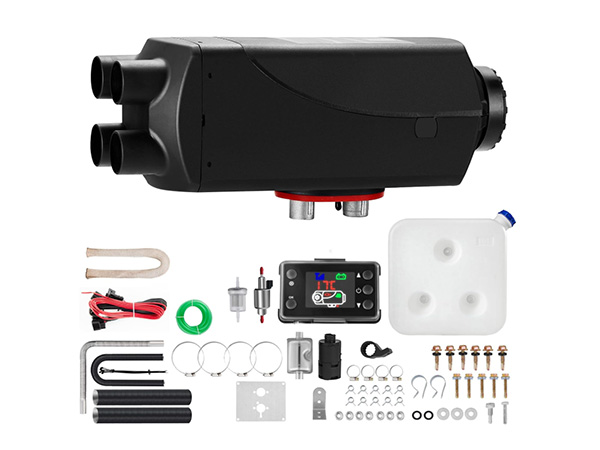
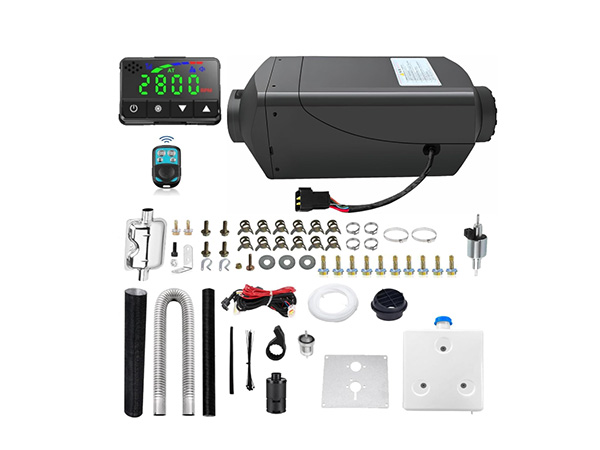
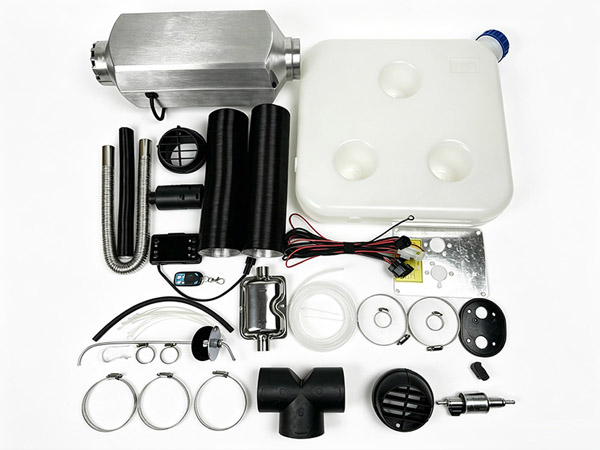
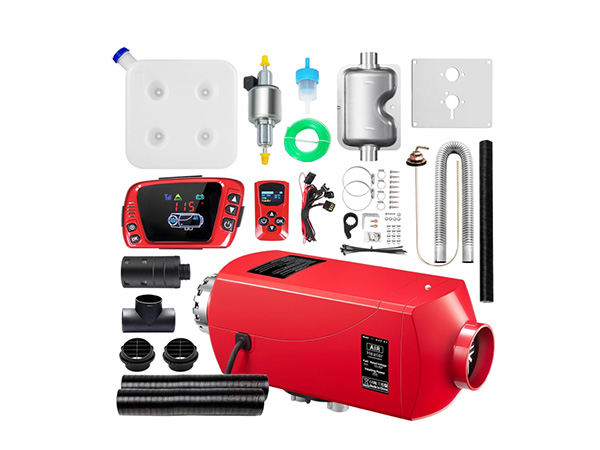
A diesel parking heater operates as an independent heating system that draws fuel from the vehicle's diesel tank to generate heat. Unlike traditional engine-based heating systems, these units function autonomously, consuming minimal fuel while delivering consistent warmth. The heater comprises several key components including a combustion chamber, heat exchanger, fuel pump, and control unit that work together to ensure efficient operation.
Modern parking heaters from reputable manufacturers utilize advanced combustion technology to maximize heat output while minimizing fuel consumption. These systems typically consume between 0.1 to 0.5 liters of diesel per hour, depending on the heating capacity and operating conditions. The efficiency stems from direct fuel combustion rather than relying on engine waste heat, making them significantly more economical than idling the main engine for warmth.
How the Heating Process Works
The operation begins when the driver activates the heater through a control panel or remote controller. An electric motor spins up, drawing fresh air into the combustion chamber while a fuel pump delivers precise amounts of diesel. An ignition plug initiates combustion, and the resulting heat transfers to the cabin through a heat exchanger. A fan then circulates the warmed air throughout the vehicle interior, maintaining the desired temperature set by the user.
Sensors continuously monitor the system, adjusting fuel delivery and air intake to optimize performance. When the cabin reaches the target temperature, the heater enters a lower power mode, reducing fuel consumption while maintaining comfort. This intelligent temperature management ensures consistent heating without unnecessary fuel waste, benefiting both operational costs and environmental impact.
Key Benefits for Commercial Vehicle Operators
Truck drivers spending extended periods in their vehicles during rest breaks or loading operations gain significant advantages from parking heaters. The primary benefit involves eliminating the need to idle the main engine, which reduces fuel consumption by up to 90% compared to engine idling. Additionally, reduced engine wear translates to lower maintenance costs and extended engine life, contributing to overall fleet operational efficiency.
Professional drivers also appreciate the quiet operation of modern parking heaters. Unlike engine idling, which creates constant noise and vibration, these heating systems operate at significantly lower decibel levels. This improvement enables better sleep quality during mandatory rest periods, directly impacting driver alertness and safety during subsequent driving shifts. Suppliers offering quality heaters ensure their products meet noise emission standards for overnight use.
Applications Across Various Vehicle Types
Beyond standard semi-trucks, diesel parking heaters serve diverse applications including delivery vans, buses, construction equipment, and recreational vehicles. Factory-built systems accommodate different cabin sizes, with power ratings ranging from 2kW to 8kW to match specific heating requirements. Smaller vehicles typically utilize 2kW units, while larger cabins may require 5kW or 8kW models for adequate heating performance.
The versatility extends to specialty vehicles such as ambulances, mobile workshops, and emergency response units that require reliable heating independent of main engine operation. Manufacturers design these heaters to withstand demanding conditions, ensuring dependable performance in extreme temperatures ranging from -40°C to +20°C ambient conditions.
Installation Considerations and Requirements
Proper installation significantly impacts heater performance and longevity. Professional installation ensures optimal positioning of the heating unit, fuel lines, and exhaust system. The combustion air intake and exhaust must route safely outside the vehicle, preventing dangerous exhaust gases from entering the cabin. Additionally, fuel connections require proper sealing and routing to prevent leaks and ensure consistent fuel delivery.
Electrical integration demands careful attention to the vehicle's electrical system. Most parking heaters operate on 12V or 24V electrical systems, drawing power from the vehicle battery during startup and operation. Suppliers provide detailed installation guidelines, and many offer technical support to ensure correct integration with existing vehicle systems.
Maintenance and Longevity
Regular maintenance extends heater lifespan and ensures reliable performance throughout cold seasons. Key maintenance tasks include cleaning or replacing air filters, inspecting fuel lines for damage or clogs, and checking electrical connections. The combustion chamber requires periodic inspection to remove carbon deposits that accumulate during normal operation.
Quality heaters from established manufacturers typically operate reliably for 10,000 to 15,000 hours with proper maintenance. This longevity translates to multiple years of dependable service for average commercial vehicle applications. Factory warranties provide additional assurance, with reputable suppliers offering comprehensive coverage for defects and premature failures.
Choosing the Right Heater for Your Needs
Selecting an appropriate parking heater involves considering several factors including cabin size, climate conditions, and usage patterns. Smaller truck cabins generally require 2kW to 5kW units, while larger vehicles or extreme cold conditions may necessitate 8kW models. Consulting with experienced suppliers helps identify the optimal heater capacity for specific applications.
Additional features such as remote control capability, programmable timers, and altitude compensation enhance user convenience and performance. Modern units offer smartphone connectivity, allowing drivers to pre-heat cabins before returning to their vehicles. These technological advancements demonstrate how manufacturers continuously improve user experience and operational efficiency.
Environmental and Regulatory Considerations
Diesel parking heaters contribute to reduced emissions compared to engine idling, aligning with increasingly stringent environmental regulations. Many jurisdictions impose anti-idling laws that limit how long commercial vehicles can idle their engines while stationary. Parking heaters provide a compliant alternative, enabling drivers to maintain cabin comfort without violating these regulations.
Environmental benefits extend beyond regulatory compliance. Reduced fuel consumption directly correlates with lower carbon emissions, contributing to fleet sustainability goals. Companies focused on environmental responsibility increasingly mandate parking heater installation across their fleets, recognizing both economic and ecological advantages.
Conclusion
Diesel parking heaters represent essential equipment for modern commercial vehicle operations, combining fuel efficiency, driver comfort, and environmental benefits. Understanding how these systems work enables fleet managers and owner-operators to make informed decisions when selecting heating solutions. Partnering with established manufacturers and suppliers ensures access to quality products backed by technical support and warranty coverage, delivering reliable heating performance throughout cold weather operations.
References
Society of Automotive Engineers. "Auxiliary Heating Systems for Commercial Vehicles." SAE Technical Paper Series, 2023.
Transportation Research Board. "Idling Reduction Technologies for Heavy-Duty Vehicles." National Academy of Sciences, 2022.
European Automobile Manufacturers Association. "Commercial Vehicle Comfort Systems Guide." ACEA Publication, 2024.
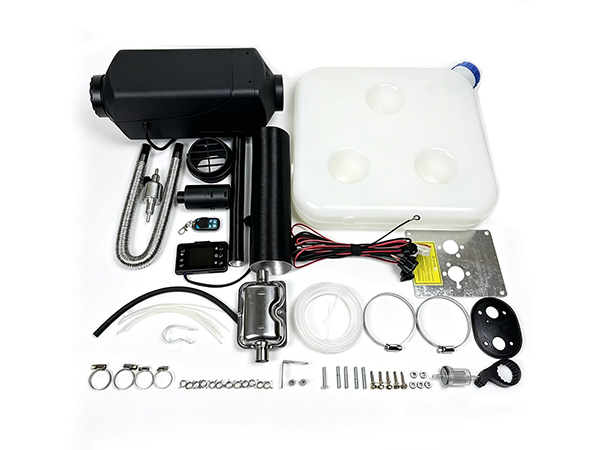
Product Specifications: Rated voltage:12V/24V/12V-24V Rated current:16A Thermal power:...