Vertical Diesel Air Heater for Trucks
2026-10-13 17:55:34
Long-haul and delivery trucks spend nights parked in depots, lay-bys and winter yards. A vertical diesel air heater keeps the cab warm without idling the main engine, which saves fuel, cuts wear and lets the driver rest in comfort. This article looks at why truck fleets choose a vertical all-in-one diesel heater and what to specify for 12V and 24V vehicles.
Why Trucks Need Auxiliary Heating
Idling a heavy diesel engine through the night to keep the cab warm burns large volumes of fuel, adds hours to engine wear and produces noise and emissions that are increasingly restricted by anti-idling rules. A vertical diesel heater heats only the cab, using a fraction of the fuel and a small amount of battery power. For drivers required by regulation to take rest breaks, it provides a warm cab without starting the engine, which supports both compliance and wellbeing.
12V and 24V Systems
Light commercial trucks and vans usually run on a 12V electrical system, while heavy trucks and coaches use 24V. The heater must be matched to the vehicle voltage, because the glow plug, fan controller and fuel pump are rated for a specific supply. B2B buyers ordering for mixed fleets should confirm the voltage of each unit before dispatch, and fit a low-voltage cut-off so the heater cannot drain the battery below the level needed to crank the engine.
Choosing the Right Heat Output
Aerodynamic sleeper cabs are better insulated than older day cabs, so a 2 kW or 5 kW vertical heater often holds a comfortable overnight temperature. A large cab in extreme cold, or a crew cab with extra windows, may need an 8 kW unit to pull the temperature up quickly. Modulation matters because the heater should idle on a low flame through the night rather than cycling on and off, which wastes fuel and wakes the driver.
Mounting in a Truck Cab
The vertical form factor fits neatly behind the seat, in a rear wall cavity or under the bunk where a horizontal unit would be too long. Keep the exhaust routed outside and away from intake vents and fuel tanks. Run the warm air duct along the cab floor to the sleeping area, and place the control panel where the driver can reach it from the bed. Secure all brackets against the vibration of a moving truck.
Fuel Savings and Driver Comfort
By replacing engine idling with a small dedicated heater, fleets reduce fuel consumption during rest periods and cut engine maintenance intervals. Studies of idle reduction technologies show they lower driver exposure to diesel emissions while delivering measurable fuel savings. Quiet operation is equally important: a heater with a well-insulated blower and a silencer allows the driver to sleep, which is why fan noise and combustion stability are key buying criteria for trucks.
References
Zietsman, J., Johnson, J., Ramani, T., Farzaneh, R., Rodgers, M., Samoylov, A., Xu, Y., & Moore, A. (2015). Effectiveness of idle reduction technologies in reducing driver exposure to diesel emissions. Transportation Research Record: Journal of the Transportation Research Board.
Karjalainen, P., Nikka, M., Olin, M., Martikainen, S., Rostedt, A., Arffman, A., & Mikkonen, S. (2021). Fuel-operated auxiliary heaters are a major additional source of vehicular particulate emissions in cold regions. Atmosphere, 12, 1105.
Oikarinen, H., Olin, M., Martikainen, S., Leinonen, V., Mikkonen, S., & Karjalainen, P. (2022). Particle number, mass, and black carbon emissions from fuel-operated auxiliary heaters in real vehicle use. Atmospheric Environment: X.
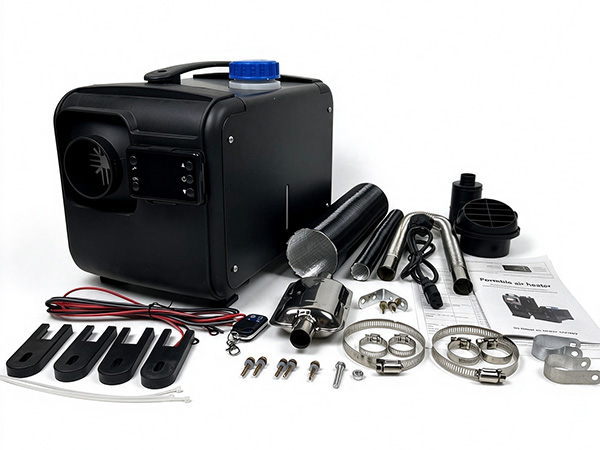
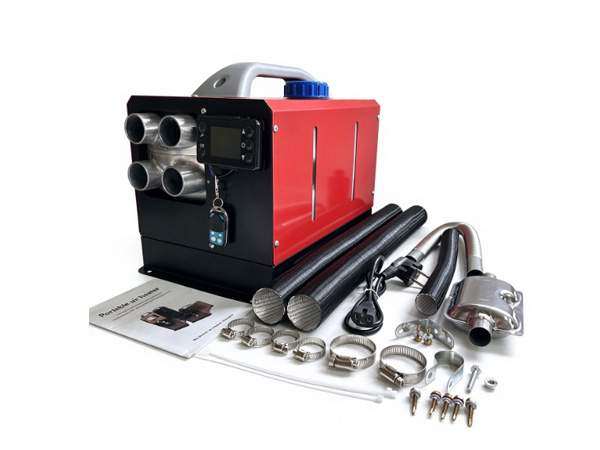
Note: The types and quantities of accessories can be adjusted according to customer require...
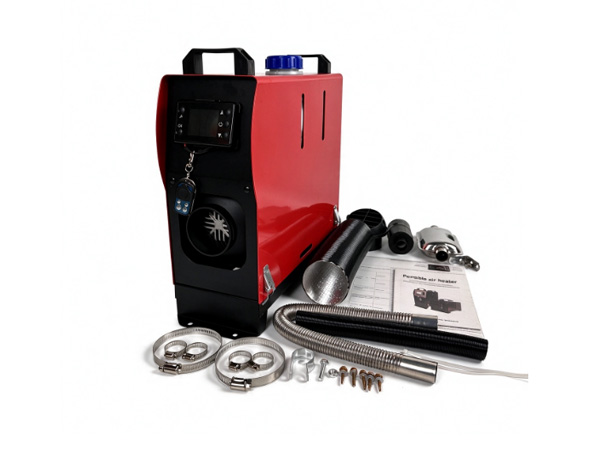
Diesel air heater 5KW/8KW Product Usage: Used for heating small spaces, suitable for small ...
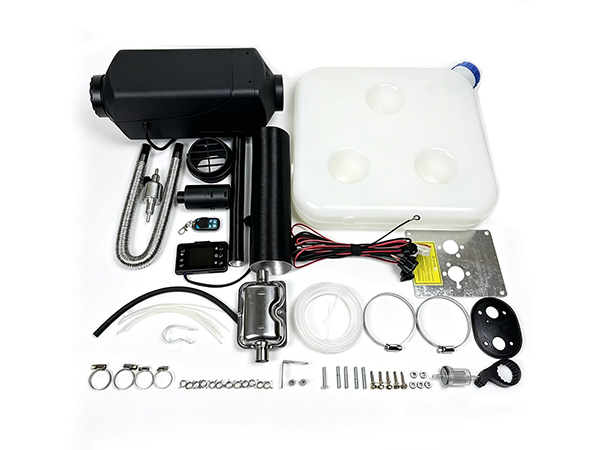
Product Specifications: Rated voltage:12V/24V/12V-24V Rated current:16A Thermal power:...