Where Should the Exhaust Pipe of a Diesel Air Heater Exit the Vehicle?
2026-10-14 16:56:22
The exhaust system of a diesel air heater carries hot combustion gases away from the unit, and its routing is just as important as mounting the heater itself. A poorly placed outlet can draw fumes back into the cab, corrode bodywork, or melt nearby plastic parts. Working slowly through a few basic rules during installation prevents problems that are difficult to correct once the trim panels are refitted.
Point the Outlet Downward and Away From Intakes
The exhaust tail pipe should always exit below the vehicle floor and point slightly downward so rain, meltwater, and road spray do not run back into the hot pipe. It must sit at least half a meter away from any fresh air intake, cabin vent, or door seal so that prevailing winds cannot push exhaust gases back inside. On trucks, a common reliable route is through the underside of the frame rail, where the gas escapes under the chassis rather than near the sleeper windows.
Keep the Pipe Short and Sloped Toward the Outlet
Exhaust runs should be as short and straight as practical, with a gentle downward slope toward the outlet so condensation drains outward instead of pooling in the bends. Avoid tight kinks that create back pressure, which the control unit reads as a fault and uses to abort ignition. Support the pipe every 40 to 50 centimeters with a metal clip, and wrap heat shield material around sections that pass within a few centimeters of fuel lines, wiring looms, or plastic inner panels.
Seal, Support, and Test for Leaks
Where the pipe passes through a floor panel, fit a rubber or metal grommet and seal the gap with a high-temperature sealant so exhaust cannot seep through the hole. After installation, run the heater on its maximum setting for ten minutes and listen for unusual popping, then check every joint with a hand mirror. A faint smell inside the cabin is an early warning of a leak; address it before relying on the heater for overnight warmth.
References
GB/T 7714: GUO R, LI L, SUN Z, et al. An integrated thermal management strategy for cabin and battery heating in range-extended electric vehicles under low-temperature conditions [J]. Applied Thermal Engineering, 2023, 228: 120502.
APA 7th: Guo, R., Li, L., Sun, Z., & Xue, X. (2023). An integrated thermal management strategy for cabin and battery heating in range-extended electric vehicles under low-temperature conditions. Applied Thermal Engineering, 228, 120502.
MLA 9th: Guo, R., et al. "An Integrated Thermal Management Strategy for Cabin and Battery Heating in Range-Extended Electric Vehicles under Low-Temperature Conditions." Applied Thermal Engineering, vol. 228, p. 120502.
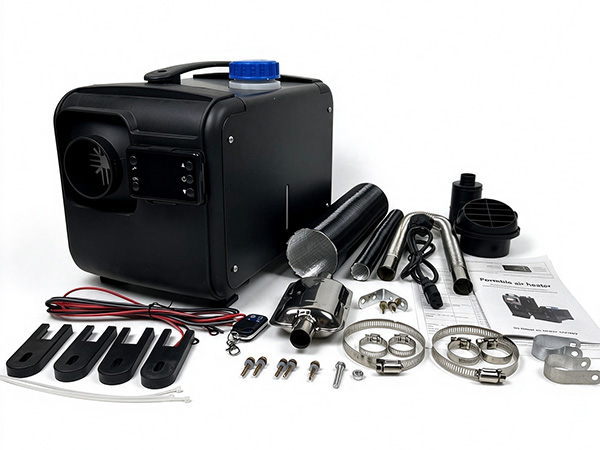
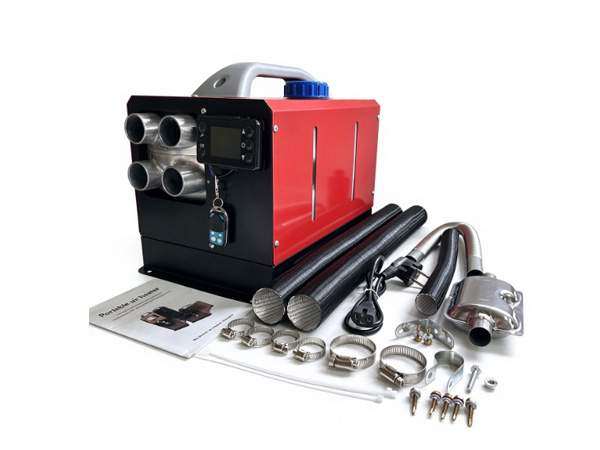
Note: The types and quantities of accessories can be adjusted according to customer require...
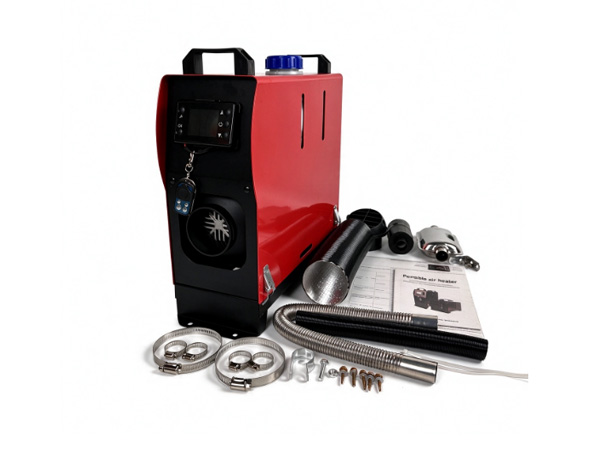
Diesel air heater 5KW/8KW Product Usage: Used for heating small spaces, suitable for small ...
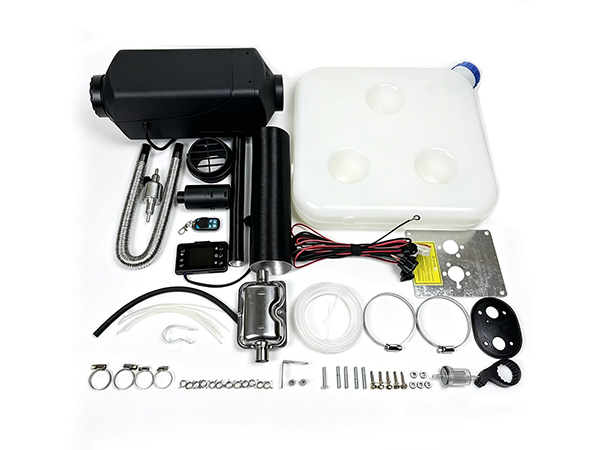
Product Specifications: Rated voltage:12V/24V/12V-24V Rated current:16A Thermal power:...