Diesel Parking Heater Fuel Consumption and Efficiency Analysis
2026-09-30 19:27:33
Diesel Parking Heater Fuel Consumption and Efficiency Analysis
Fuel expenses represent a significant operating cost for any vehicle heating application, making efficiency comparisons essential for informed equipment decisions. Diesel parking heaters have developed reputations for exceptional fuel economy compared to traditional heating approaches, but understanding the actual consumption rates and efficiency factors helps vehicle operators calculate true operating costs. This analysis examines the fuel consumption characteristics that make diesel heaters attractive for extended heating applications.
Understanding Fuel Consumption Rates
Diesel heaters consume fuel in direct proportion to their heat output, with more powerful units using proportionally more fuel than smaller models. A two-kilowatt heater typically draws between 0.1 and 0.24 liters hourly during operation, while five-kilowatt units consume 0.25 to 0.55 liters per hour. Eight-kilowatt heaters require 0.40 to 0.95 liters hourly at full capacity. These rates represent substantial fuel savings compared to idling main engines for equivalent heating.
Actual consumption varies with several factors including ambient temperature, cabin insulation quality, and thermostat settings. Heaters operating in severe cold at maximum output consume fuel at the higher end of their ranges, while moderate conditions allow modulation to lower consumption rates. Factory specifications provide typical consumption figures that enable reasonable operational cost projections when planning heating system investments.
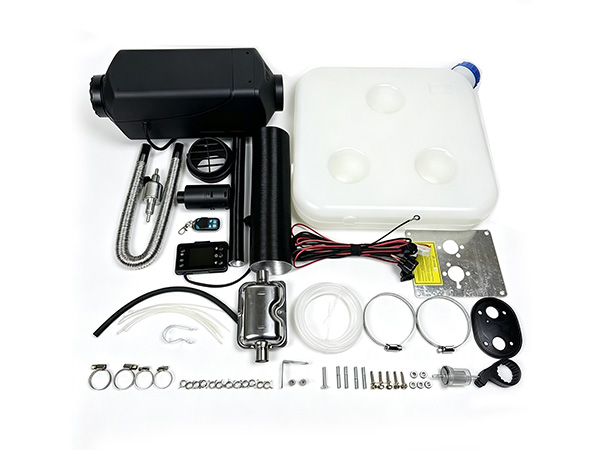
Why Diesel Heaters Outperform Engine Idling
Commercial diesel engines typically consume 2 to 4 liters hourly during idling, even when producing minimal useful heat due to their massive thermal mass. This inefficiency occurs because idling engines must maintain minimum operating temperatures and keep all accessories running. Dedicated diesel heaters achieve thermal efficiency rates exceeding eighty percent, converting the overwhelming majority of fuel energy into usable cabin warmth.
The disparity between heater and engine fuel consumption creates compelling economic arguments for auxiliary heating systems. Over a typical winter season involving one hundred overnight stops, switching from engine idling to heater operation saves 150 to 350 liters of diesel fuel per vehicle. Fleet operators with dozens or hundreds of vehicles recognize these savings multiply dramatically across their operations. Manufacturers provide calculation tools that quantify these benefits for specific fleet profiles.
Modulation Technology Improves Economy
Modern diesel heaters incorporate variable output capability that further enhances fuel economy. Rather than cycling fully on and off, these systems adjust combustion intensity to match heating demand, maintaining stable temperatures with minimal fuel expenditure. This modulation proves particularly valuable during milder overnight conditions when full heating capacity would waste fuel through excessive heat production.
Electronic control systems manage this modulation automatically, sensing cabin temperature and adjusting heater output to maintain thermostat settings precisely. The sophistication of this control distinguishes quality heaters from basic units, providing both comfort and economy benefits. Factory engineering investment in these control systems delivers measurable fuel savings throughout the heater operational life.
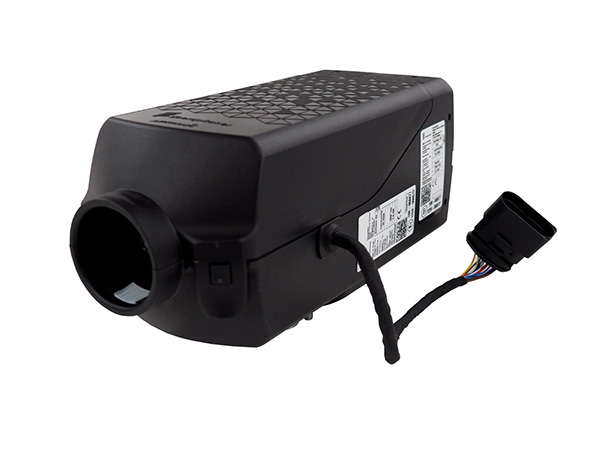
Comparing Heating Fuel Options
Propane furnaces have served vehicle heating applications for decades, but diesel heaters typically prove more economical for sustained operation. While propane prices vary regionally, diesel fuel generally costs less per unit of heat energy, creating ongoing operational savings. Additionally, diesel fuel availability exceeds propane accessibility in many regions, simplifying supply logistics for remote operations.
Electric heating alternatives exist for vehicles with adequate power supply, though significant limitations affect their practicality. Electric heaters require substantial electrical power that battery banks struggle to supply during extended off-grid operation. Diesel heaters operate efficiently on twelve-volt systems drawing minimal current, enabling overnight heating without battery depletion. Factory electrical specifications clarify power requirements and capabilities for various heater models.
Calculating True Operating Costs
Comprehensive cost analysis includes factors beyond simple fuel consumption. Engine wear avoided through eliminated idling represents substantial hidden savings, as each idling hour causes wear equivalent to approximately thirty kilometers of normal driving. Reduced oil consumption, fewer oil changes, and extended major component life contribute to total cost reductions that supplement direct fuel savings.
Maintenance requirements differ between heating approaches as well. Diesel heaters require periodic filter service and annual inspections that represent modest costs compared to the engine wear and maintenance avoided through heater operation. Factory maintenance schedules provide cost projections that enable complete operational cost comparison between heating alternatives.
Impact of Operating Conditions
Climate conditions significantly affect heating fuel consumption regardless of heater efficiency. Vehicles operating in regions experiencing extended periods below minus twenty degrees Celsius require more heating energy than those in milder climates. Altitude affects combustion efficiency, with heaters operating at elevation experiencing slightly elevated consumption compared to sea-level operation.
Vehicle usage patterns influence overall heating fuel consumption as well. Vehicles with frequent short stops accumulate more heating time than those making longer journeys between stops. Understanding these patterns helps operators estimate fuel requirements accurately and plan supply logistics accordingly. Suppliers serving specific industries understand these usage patterns and provide guidance matching customer profiles.
Insulation Effects on Consumption
Cabin insulation quality dramatically affects heating fuel requirements by determining heat loss rates. Well-insulated vehicles maintain temperatures longer, allowing heaters to operate at reduced output or cycle off entirely during mild overnight conditions. Poorly insulated cabins lose heat rapidly, demanding continuous maximum heating output that increases fuel consumption significantly.
Factory-built vehicles incorporate varying insulation levels that affect heater sizing requirements and operational fuel consumption. Aftermarket insulation improvements can reduce heating costs substantially for vehicles with inadequate factory insulation. These modifications prove particularly valuable for converted vehicles or older trucks whose original insulation has degraded over time.
Fuel Tank Capacity Planning
Extended heating operation requires adequate fuel supply planning to prevent running out during critical periods. Calculating expected consumption based on anticipated heating hours and multiplying by fuel tank capacity provides planning parameters for typical usage scenarios. Manufacturers sizing guidance helps operators determine whether vehicle tanks provide adequate reserve or whether auxiliary fuel containers might be necessary.
Fuel system design affects both heater reliability and fuel availability for primary vehicle operation. Heaters drawing from shared vehicle tanks must not deplete fuel below levels required for intended driving distances. Professional installation services ensure fuel system design accounts for both heating and propulsion requirements without compromising either function.
Long-Term Efficiency Benefits
Diesel heater fuel efficiency creates compounding benefits over extended operational periods. Initial investment costs recover through fuel savings within one to three heating seasons depending on usage intensity. Beyond simple payback, continued efficiency savings reduce operating costs throughout the heater service life, typically representing thousands of dollars in accumulated savings.
Resale value reflects the operational cost advantages that diesel heaters provide. Vehicles equipped with efficient heating systems command higher prices than comparable unequipped models, as buyers recognize the ongoing fuel savings these installations provide. This residual value enhancement supplements the operational savings achieved during ownership.
Selecting Efficient Heater Models
Factory efficiency ratings enable informed comparison between heater models from various manufacturers. These ratings indicate the percentage of fuel energy converted to useful heat, with higher percentages representing greater efficiency. Quality heaters typically achieve efficiency rates exceeding eighty percent, while basic units may fall below this threshold.
Supplier expertise helps customers select appropriately sized heaters that balance heating capacity against efficiency considerations. Undersized heaters that struggle to maintain temperatures consume more fuel proportionally than properly sized units operating within their optimal range. Consulting with experienced suppliers prevents sizing errors that would compromise both comfort and economy.
Conclusion
Diesel parking heaters deliver exceptional fuel efficiency that creates compelling economic advantages for vehicle heating applications. Understanding consumption rates, efficiency factors, and operating cost components enables informed decisions about heating system investments. Partnering with manufacturers and suppliers who provide accurate specifications and honest guidance ensures that heating solutions deliver the efficiency benefits these systems are designed to provide.
References
U.S. Department of Energy. "Vehicle Idling Reduction Technologies Assessment." DOE Technical Report, 2024.
Automotive Fuel Efficiency Council. "Auxiliary Heating System Efficiency Standards." AFEC Publication, 2023.
International Energy Agency. "Transportation Sector Energy Analysis." IEA World Energy Outlook, 2024.
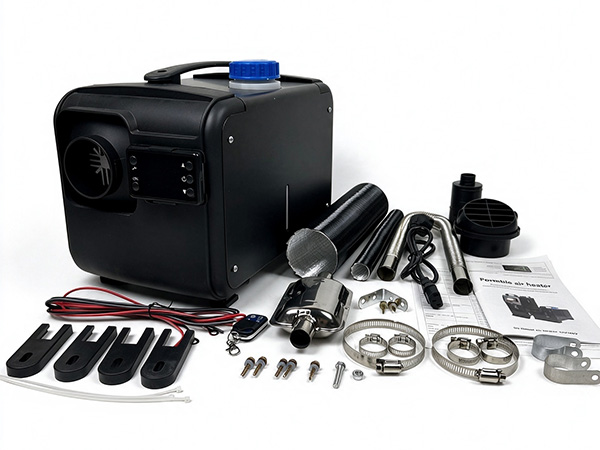
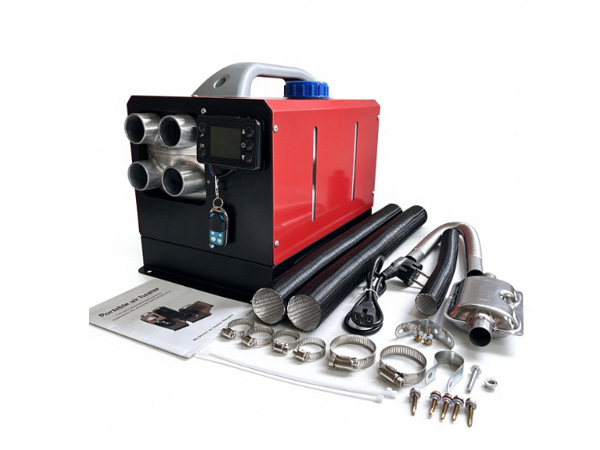
Note: The types and quantities of accessories can be adjusted according to customer require...
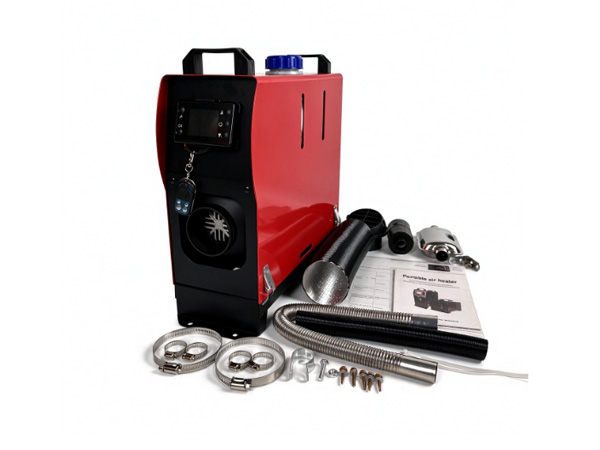
Diesel air heater 5KW/8KW Product Usage: Used for heating small spaces, suitable for small ...

Product Specifications: Rated voltage:12V/24V/12V-24V Rated current:16A Thermal power:...