Cold Weather Performance of Diesel Parking Heaters in Extreme Conditions
2026-09-27 16:02:54
Cold Weather Performance of Diesel Parking Heaters in Extreme Conditions
Winter operations test vehicle heating systems to their limits, particularly in regions where temperatures plunge well below freezing for extended periods. Diesel parking heaters engineered for harsh environments provide essential warmth when drivers need it most, maintaining cabin comfort despite severe external conditions. Understanding how these systems perform in extreme cold helps vehicle operators prepare adequately for winter challenges.
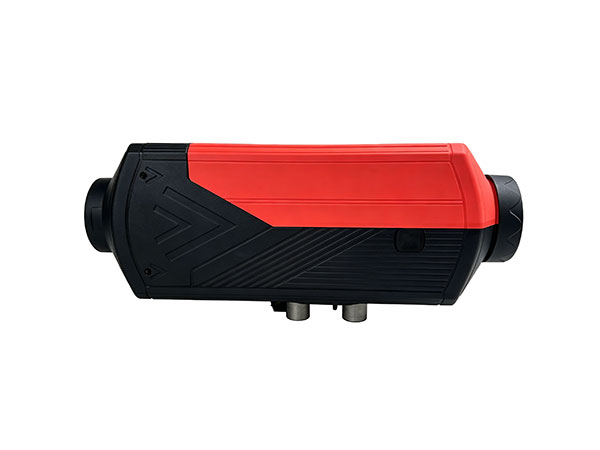
Engineering for Sub-Zero Operation
Quality diesel heaters incorporate components specifically designed for cold weather reliability. Pre-heating systems warm fuel before it enters the combustion chamber, preventing the waxing that can clog fuel lines in conventional systems. Advanced glow plug designs initiate combustion quickly even when ambient temperatures fall to forty degrees below zero. Manufacturers building heaters for northern markets engineer these cold weather features as standard rather than optional equipment.
Materials selection reflects the demands of extreme temperature operation. Seals and gaskets maintain flexibility across wide temperature ranges, preventing leaks that could develop with rigid materials in severe cold. Electronic components undergo temperature cycling tests that simulate winter conditions, ensuring control systems function reliably when thermometers plunge. This engineering investment distinguishes heaters built for genuine winter duty from those merely tolerating moderate cold.
Cold Start Mechanisms
Initial combustion in freezing temperatures presents the most demanding challenge for diesel heating systems. The glow plug system draws elevated current to rapidly heat the ignition element, creating conditions suitable for fuel combustion. Modern electronic control modules manage this pre-ignition phase automatically, activating glow plugs for optimal duration based on sensed temperature conditions. Factory calibration ensures these systems respond appropriately across the full operating temperature range.
Fuel preparation becomes critical when temperatures drop significantly. Heaters equipped with fuel pre-heating draw fuel through heated passages before it reaches the injection system, reducing viscosity and preventing crystallization of waxy fuel components. This preparation proves essential in regions experiencing extended cold spells where standard diesel fuel requires winter blending. Suppliers recommend appropriate fuel grades for anticipated operating conditions, helping customers avoid fuel-related starting problems.
Maintaining Heat Output in Severe Cold
Heat loss accelerates dramatically as the temperature differential between cabin and exterior increases. A heater sized adequately for moderate winter conditions may struggle to maintain comfortable temperatures when conditions become extreme. Understanding this relationship guides proper capacity selection for vehicles operating in severely cold climates. Manufacturers provide sizing guidance that accounts for typical winter temperature ranges in various regions.
Insulation quality significantly affects heater performance in cold conditions. Well-insulated vehicle cabins retain heat more effectively, reducing the continuous heating load that strain smaller heaters. Adding insulation to doors, floors, and roof sections provides tangible benefits during extended cold weather operation. Professional installation services offered by suppliers often include insulation assessment and improvement recommendations.
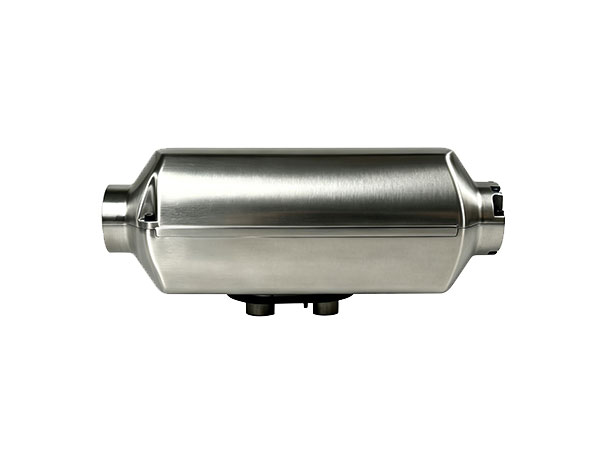
Fuel Considerations for Winter Operation
Diesel fuel properties change significantly with temperature, presenting challenges that affect heater reliability. Standard summer-grade diesel begins clouding at temperatures around zero degrees Celsius, with wax crystals forming that can clog filters and fuel lines. Winter diesel blends resist this crystallization, maintaining flowability at much lower temperatures. Heater operators must ensure adequate fuel grades match their anticipated operating conditions.
Fuel tank management becomes more important during winter months. Condensation accumulating in tanks can introduce water that freezes in fuel lines, causing blockages and operational problems. Regular fuel system maintenance including water removal and filter inspection prevents these issues from developing. Suppliers providing fleet maintenance programs emphasize winter fuel system preparation as essential preventive maintenance.
Battery Performance in Cold Temperatures
Electrical system performance suffers measurably when temperatures drop severely. Battery capacity decreases substantially in freezing conditions, reducing the reserve power available for heater startup and operation. This reduced capacity can prevent adequate glow plug heating or cause control system malfunctions when voltage drops below required levels. Heater operators should verify battery condition before winter arrives, replacing aging batteries that might fail during cold weather.
Electrical connections require particular attention in winter conditions. Corrosion and looseness that might cause only minor problems in mild weather become serious reliability issues when cold reduces electrical system tolerance. Cleaning battery terminals, checking ground connections, and verifying wiring integrity before winter provides insurance against cold weather electrical failures. Supplier technical support teams can guide customers through electrical system inspection procedures.
Exhaust System Considerations
Exhaust condensation in freezing conditions can create ice blockages that prevent proper exhaust gas venting. Heater exhaust systems require adequate slope to drain moisture away, preventing accumulation that might freeze and obstruct flow. Factory exhaust configurations account for these concerns, specifying installation requirements that ensure reliable winter operation. Professional installers understand these nuances, routing exhaust systems to minimize moisture-related problems.
Exhaust termination positioning affects ice accumulation patterns. Vertical exhaust pipes can develop ice buildup during operation that eventually restricts flow if positioned where melting snow can refreeze on the outlet. Positioning exhaust terminations away from walkways and work areas prevents hazardous ice formation while maintaining reliable exhaust discharge. Suppliers providing winter operation guidance address these practical considerations.
Operational Tips for Winter Drivers
Pre-heating schedules prepare vehicles for departure during extreme cold while minimizing battery drain. Programming heaters to activate thirty to sixty minutes before planned departure ensures warm cabins when drivers enter their vehicles, while limiting electrical system strain through automatic shutoff. This proactive approach proves particularly valuable for vehicles used intermittently during severe cold spells.
Regular operational checks throughout winter identify developing problems before they strand drivers in dangerous conditions. Running heaters briefly during routine stops confirms continued function and burns accumulated moisture from the combustion system. Documenting any performance changes enables timely service before minor issues become major failures. Suppliers offering remote monitoring systems provide additional security for fleet operations in remote winter territories.
Winter Storage and Seasonal Transitions
Proper storage procedures protect heater systems during extended periods when vehicles sit idle in freezing conditions. Fuel system treatment prevents degradation during storage, while battery maintenance ensures adequate charge when vehicles return to service. Completing these procedures before winter storage simplifies spring startup and extends heater service life. Factory storage guidelines provided by manufacturers outline recommended procedures.
Spring transition requires inspection and service that reverses winter storage preparations. Checking fuel system integrity, verifying battery condition, and confirming combustion system cleanliness prepares heaters for warmer weather operation. This seasonal maintenance investment pays dividends through reliable summer performance and identification of any winter-related wear requiring attention.
Choosing Heaters for Severe Winter Applications
Heater selection for extreme winter applications requires attention to cold weather specifications beyond basic heating capacity. Manufacturers building heaters for northern markets clearly identify cold weather capabilities, distinguishing products suitable for severe conditions from those designed primarily for temperate climates. Consulting with experienced suppliers ensures appropriate product matching to anticipated operating conditions.
Warranty coverage and technical support availability provide important security for vehicles operating in remote winter territories. Heater problems in distant locations require accessible support resources for effective resolution. Factory-authorized service networks and parts distribution systems offered by established manufacturers enable timely support regardless of vehicle location. This infrastructure proves invaluable when winter emergencies arise far from home bases.
Conclusion
Diesel parking heaters provide reliable winter warmth when properly specified, installed, and maintained for cold weather operation. Understanding the engineering considerations, operational requirements, and maintenance practices appropriate for severe conditions enables vehicle operators to maintain heating reliability throughout winter. Partnering with manufacturers and suppliers who understand extreme climate applications ensures access to products and support matching the demands of winter vehicle operations.
References
Society of Automotive Engineers. "Cold Weather Performance Criteria for Auxiliary Vehicle Heaters." SAE Standard J2711, 2024.
Arctic Climate Research Institute. "Winter Vehicle Operations in Extreme Cold." Technical Report Series, 2023.
Transportation Infrastructure Institute. "Cold Climate Transportation Solutions." TII Publication, 2024.
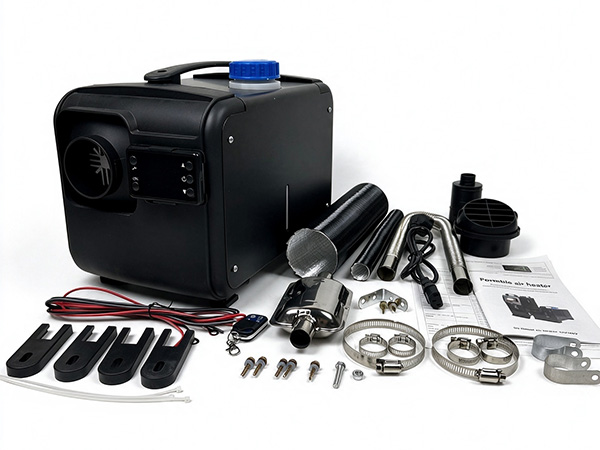
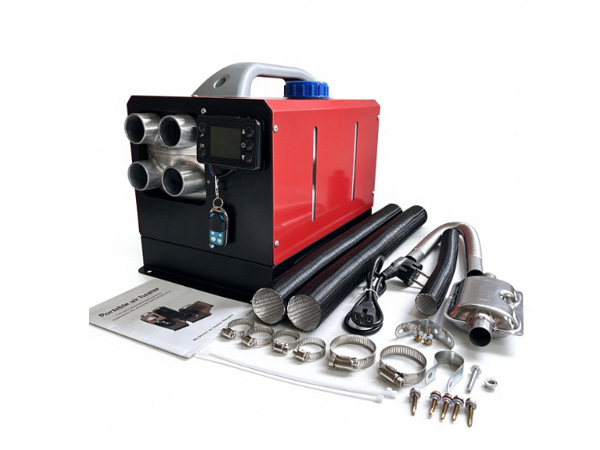
Note: The types and quantities of accessories can be adjusted according to customer require...
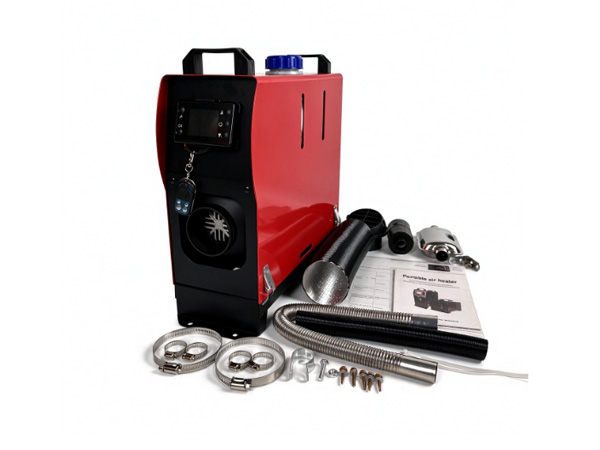
Diesel air heater 5KW/8KW Product Usage: Used for heating small spaces, suitable for small ...
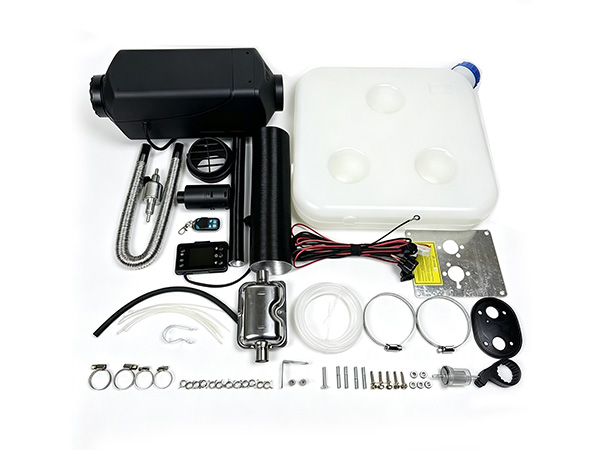
Product Specifications: Rated voltage:12V/24V/12V-24V Rated current:16A Thermal power:...