Diesel Parking Heater Troubleshooting Common Problems and Solutions
2026-09-18 11:51:46
Diesel Parking Heater Troubleshooting Common Problems and Solutions
Understanding how to diagnose and address common diesel heater problems saves time and money while ensuring reliable heating when cold weather arrives. While professional service remains appropriate for complex repairs, many heater issues have straightforward causes that owners can identify and address with basic troubleshooting. This guide covers the diagnostic approaches and common solutions that help restore heater function efficiently.

Starting Problems Diagnosis
Heaters that fail to start often experience straightforward issues that systematic troubleshooting can identify. Power supply problems prevent startup regardless of other system condition, making electrical verification the logical first troubleshooting step. Checking battery voltage, fuse condition, and wiring connections reveals whether the heater receives adequate electrical power for startup sequences.
Fuel supply interruption causes startup failures that might otherwise suggest more serious problems. Empty fuel tanks, clogged filters, or fuel line blockages prevent fuel reaching the combustion chamber where ignition could occur. Inspecting fuel lines for kinks, checking filter condition, and verifying fuel tank level helps identify supply problems before pursuing more complex diagnoses.
Glow plug failures manifest as extended pre-ignition without successful starting or complete absence of the warm-up behavior that precedes fuel delivery. Testing glow plug resistance with a multimeter reveals whether these ignition components have failed internally. Replacement glow plugs restore reliable cold weather starting when original components degrade over extended service.
Weak Heating Output
Inadequate heating performance often results from restricted airflow that limits combustion efficiency or heat distribution. Dirty air filters reduce combustion air supply, creating incomplete burning that produces less heat while depositing carbon throughout the combustion system. Inspecting and cleaning or replacing air filters frequently resolves heating output problems that gradual restriction causes.
Fuel quality issues affect combustion efficiency in ways that reduce heating output without preventing operation entirely. Water contamination, microbial growth, or winter crystallization create fuel delivery problems that degrade performance gradually. Fuel system inspection including filter examination and fuel sample evaluation identifies contamination that might otherwise go unnoticed.
Heat exchanger fouling accumulates carbon deposits that insulate the heat transfer surface, reducing heating efficiency progressively over time. This gradual degradation might not become apparent until heating output falls noticeably below original performance levels. Professional cleaning services remove these deposits and restore original heating capability.
Intermittent Operation
Erratic heater behavior that starts and stops unpredictably often stems from electrical connection problems that create intermittent contact. Vibration from vehicle operation gradually loosens connections that work loose at random moments, causing momentary power interruption that restarts the heater control sequence. Inspecting electrical connections and securing loose terminals often resolves these frustrating intermittent problems.
Overheating shutdown caused by restricted airflow triggers automatic protection that stops operation until temperatures cool sufficiently for restart. Blocked air intake, restricted exhaust, or accumulated debris around the heater can cause thermal protection activation that creates apparent intermittent operation. Examining the heater installation for airflow restrictions identifies causes that thermal protection responses suggest.
Sensor failures create control system confusion that manifests as unpredictable operation. Temperature sensors providing incorrect readings cause the control system to respond inappropriately to actual cabin conditions. Diagnostic error codes often identify sensor problems that enable targeted replacement rather than extensive troubleshooting.
Error Code Interpretation
Modern heater control systems generate error codes that identify specific problem categories, simplifying diagnosis significantly compared to earlier diagnostic approaches. Factory documentation explains each code meaning and typical causes, enabling owners and technicians to focus troubleshooting on likely problem sources. Understanding error code systems transforms seemingly complex problems into manageable diagnostic processes.
Repeated error codes indicate persistent problems requiring attention rather than transient conditions that resolved automatically. Documenting recurring codes helps track problem patterns that might reveal underlying issues beyond the immediate symptom. Professional diagnostic equipment available from manufacturers and suppliers provides deeper analysis when factory codes don't fully identify problem sources.
Clearing error codes after addressing root causes resets control system memory and enables verification that fixes resolved the actual problem rather than simply suppressing symptoms. Following factory procedures for code clearing ensures proper reset that enables continued monitoring rather than leaving the system in an undefined state.
Fuel System Problems
Fuel pump failures manifest as complete loss of fuel delivery or reduced pressure that degrades combustion quality. Pump electrical problems might prevent operation entirely, while mechanical wear reduces output gradually over extended service. Testing pump operation using factory-specified procedures identifies whether pump replacement is necessary or whether other fuel delivery problems exist.
Fuel line issues include physical damage from road debris, connection degradation from vibration, and fuel compatibility problems that affect seals and hoses. Visual inspection of accessible fuel lines reveals obvious damage, while connection inspection identifies leaks that might manifest as fuel odor or performance problems. Factory fuel line specifications guide replacement selection when damaged components require renewal.
Fuel contamination affects heater function in ways that might not immediately suggest fuel quality as the cause. Microbial growth creates sludge that clogs filters and injectors, while water contamination causes combustion problems and internal corrosion. Fuel system cleaning and tank treatment resolve contamination problems that fuel polishing alone cannot address.

Electrical System Diagnosis
Battery condition significantly affects heater startup and operation, particularly in cold weather when battery capacity diminishes. Voltage testing under load reveals whether batteries can supply the current that heater operation requires. Batteries that test poorly despite recent charging indicate replacement necessity that resolves startup problems caused by insufficient electrical supply.
Ground connection problems cause electrical issues throughout vehicle systems, including heater operation. Corroded, loose, or damaged ground connections create resistance that affects electrical system function unpredictably. Cleaning and securing ground connections often resolves heater problems that might otherwise suggest component failures requiring replacement.
Wiring damage from chafing, rodent intrusion, or manufacturing defects creates open circuits or shorts that prevent proper heater function. Systematic wiring inspection following factory diagrams identifies damaged sections that require repair or replacement. Factory wiring harnesses available from suppliers enable complete harness renewal when damage proves extensive.
Exhaust System Issues
Exhaust blockages prevent proper combustion gas removal that affects heater function severely. Ice accumulation during winter operation, debris intrusion, or physical damage can obstruct exhaust flow in ways that trigger safety shutdowns or prevent operation entirely. Inspecting exhaust terminations and accessible portions reveals blockages that simple clearing can resolve.
Exhaust leaks allow combustion gases to enter vehicle compartments where carbon monoxide accumulation creates dangerous conditions. Exhaust odor inside vehicles indicates leaks requiring immediate attention regardless of heater performance concerns. Factory exhaust system components available from suppliers enable repairs that restore safe exhaust handling.
When Professional Service Is Needed
Control board failures require professional diagnosis and replacement that involves specialized knowledge and equipment. While owners can identify potential control problems through error codes and observed symptoms, actual board replacement should occur through qualified technicians who understand proper installation and programming procedures.
Combustion system problems including heat exchanger damage, combustion chamber issues, or complex fuel system faults benefit from professional assessment that ensures complete repair. These repairs require specialized tools and knowledge that justify service facility investment for problems beyond basic troubleshooting depth.
Warranty-covered repairs should always occur through authorized service providers who understand factory procedures and maintain proper documentation. Attempting unauthorized repairs can void warranties and create liability concerns that proper service relationships avoid. Factory service locator tools help identify authorized providers in convenient locations.
Preventive Troubleshooting
Regular operational checks during heating season identify developing problems before they cause complete failures. Brief heater operation during routine stops confirms continued function and burns accumulated moisture that could otherwise cause problems during extended storage. Documenting any performance changes enables timely service before minor issues become major failures.
Pre-season testing verifies heater readiness before cold weather creates urgent heating requirements. Activating heaters before heating season begins reveals any problems requiring attention while time remains for orderly repairs. This proactive approach prevents the emergency service situations that unexpected winter failures create.
Conclusion
Systematic troubleshooting resolves many diesel heater problems efficiently, saving time and money while maintaining reliable heating capability. Understanding diagnostic approaches and common problem causes empowers heater owners to address straightforward issues independently while recognizing when professional service becomes necessary. Partnering with manufacturers and suppliers who provide comprehensive technical support ensures access to expert guidance when troubleshooting reaches its practical limits.
References
Equipment Service Training Institute. "Auxiliary Heater Diagnostic Procedures." ESTI Technical Manual, 2024.
Heavy Equipment Maintenance Association. "Common Heater Problems and Solutions." HEMA Field Guide, 2023.
Diesel Technology Forum. "Parking Heater Troubleshooting Standards." DTF Publication, 2024.
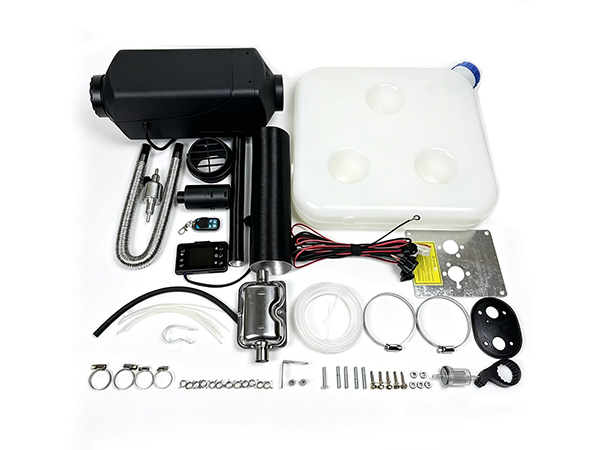
Product Specifications: Rated voltage:12V/24V/12V-24V Rated current:16A Thermal power:...