The Future of Vehicle Heating Technology Innovations and Trends
2026-09-21 12:00:00
The Future of Vehicle Heating Technology Innovations and Trends
Vehicle heating technology continues advancing as manufacturers respond to regulatory pressures, market demands, and technological opportunities that shape product development directions. Understanding emerging trends helps vehicle operators and fleet managers anticipate coming changes that might affect equipment specifications and procurement decisions. The heating industry stands at an innovation inflection point where multiple technology pathways converge to reshape future product offerings.
Electrification Integration Trends
The broader vehicle electrification trend affects auxiliary heating systems as manufacturers develop solutions that complement rather than compete with electric vehicle architectures. Electric parking heaters eliminate direct combustion entirely, relying on high-capacity batteries to power resistance heating elements. These electric alternatives address zero-emission requirements that increasingly influence vehicle specification in urban and indoor applications.
Hybrid approaches combining electric and combustion heating provide flexibility that pure electric systems cannot match. Pre-heating with electric power followed by combustion heating for sustained operation optimizes efficiency across varied operating scenarios. Factory development of these hybrid systems responds to market demands for emissions reduction without sacrificing heating endurance that pure electric solutions cannot provide.
Battery integration enabling overnight charging creates opportunities for electric heater operation during stationary periods when vehicle batteries can supply heating power. Range anxiety concerns affect electric vehicle heating differently than conventional vehicles, requiring careful management of heating energy consumption against available battery capacity. Factory solutions address these integration challenges as electric vehicle adoption accelerates.
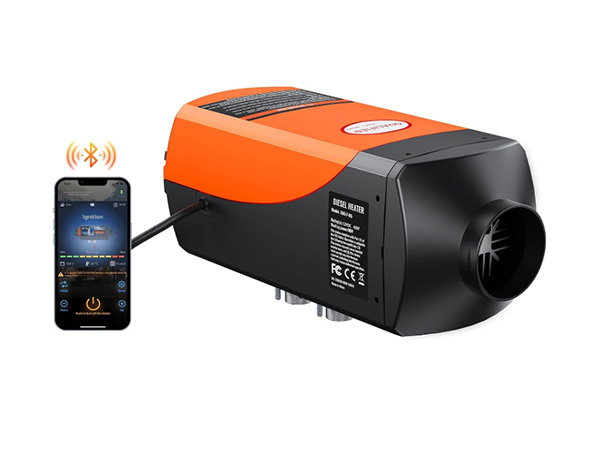
Smart Technology Integration
Connected heater systems increasingly incorporate features that leverage vehicle telematics and smartphone connectivity for enhanced control and monitoring capabilities. Remote activation, status monitoring, and diagnostic data access transform heating from a simple on-off function into an integrated vehicle management component. Factory investments in connectivity infrastructure support these advancing capabilities.
Artificial intelligence applications promise heating optimization that learns usage patterns and adjusts operation accordingly. Predictive heating based on calendar integration, weather forecasts, and historical usage data could provide comfortable cabins automatically without explicit user programming. Factory research exploring these AI applications positions leading manufacturers at the technology frontier.
Voice control integration aligns heating operation with broader vehicle interface trends that emphasize hands-free interaction. Speaking activation commands rather than manipulating physical controls improves safety during vehicle operation while enhancing accessibility for users with mobility limitations. Factory development priorities increasingly emphasize these natural interface approaches.
Environmental Compliance Evolution
Emissions regulations continue tightening across global markets, driving heater development toward lower-emission combustion systems that maintain heating performance. European standards already influence product development globally as manufacturers design compliant systems for the most demanding markets. These regulatory pressures accelerate adoption of advanced combustion technologies that reduce emissions while preserving heating efficiency.
Alternative fuel compatibility enables heater operation on renewable diesel, biodiesel, and synthetic fuels that reduce lifecycle carbon emissions. Factory development of fuel-flexible systems accommodates these emerging fuel options that regulatory incentives increasingly encourage. Supplier relationships with fuel producers help manufacturers anticipate and respond to alternative fuel availability trends.
Carbon footprint accounting increasingly influences procurement decisions as organizations pursue sustainability objectives. Lifecycle emissions analysis comparing heating alternatives helps fleet operators select solutions aligned with environmental commitments. Factory emissions documentation supports these procurement analyses that purchasing departments increasingly require.
Efficiency Improvement Directions
Heat exchanger technology advances enable more efficient thermal transfer that improves heating output while reducing fuel consumption. New materials and surface treatments enhance heat transfer rates that factory engineering translates into efficiency improvements. These incremental advances accumulate into meaningful performance gains that benefit both operators and environmental objectives.
Variable speed blower technology replaces traditional fixed-speed fans, enabling air delivery matched precisely to heating requirements rather than binary on-off operation. This blower modulation contributes to overall system efficiency while reducing noise levels during low-demand periods. Factory blower development focuses on efficiency, durability, and acoustic performance across the operating range.
Waste heat recovery concepts explore opportunities to capture and utilize thermal energy that conventional systems exhaust without recovery. While these recovery approaches face practical limitations in vehicle applications, factory research investigates promising pathways that future product development might realize. Emerging technology monitoring helps manufacturers evaluate promising efficiency concepts.
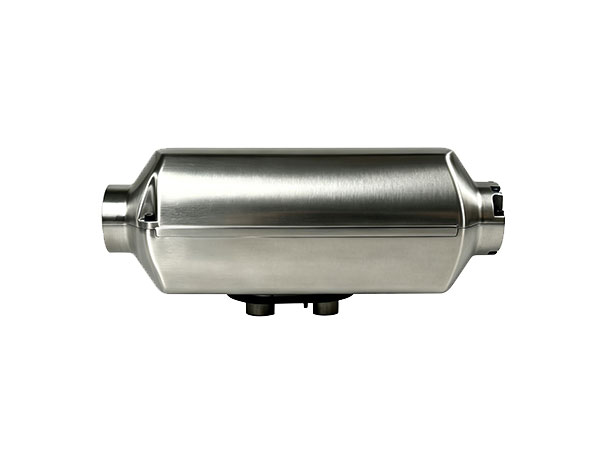
Manufacturing and Production Advances
Automated manufacturing processes improve consistency and reduce production costs that benefit both manufacturers and vehicle operators. Robotic assembly, automated testing, and quality verification systems enhance product reliability while reducing unit costs that translate to more competitive pricing. Factory investments in manufacturing technology reflect long-term competitive positioning strategies.
Modular design approaches enable common platforms serving multiple product variants, reducing development costs while improving serviceability through standardized components. These modular architectures benefit operators through improved parts availability and reduced inventory requirements across product families. Factory design philosophies increasingly emphasize modularity as a competitive advantage.
Additive manufacturing enables complex component geometries that traditional fabrication cannot achieve, opening design possibilities for improved performance and reduced weight. Factory adoption of these emerging manufacturing technologies positions manufacturers at the production innovation frontier.
Market Evolution Patterns
Emerging market demand creates new opportunities as vehicle ownership expands globally. Markets previously dominated by basic transportation increasingly require comfort features including effective heating that enhances vehicle utility. Factory capacity investments addressing these emerging demands expand manufacturing footprints into regions with growing vehicle populations.
Aftermarket growth accompanies expanding vehicle populations that manufacturers cannot supply with original equipment alone. Aftermarket suppliers serve this growing market with replacement parts and complete heater systems that complement original equipment offerings. Factory aftermarket programs address these market segments while protecting brand reputation through quality controls.
Sharing economy vehicle applications including ride-sharing and autonomous vehicles present new heating requirements that current products may not fully address. Vehicles operating continuously without traditional rest periods require heating approaches designed for this emerging usage pattern. Factory market research explores these evolving applications that future product development must address.
Materials and Component Innovation
Advanced materials improve component durability while reducing weight that affects vehicle efficiency indirectly. High-temperature polymers, composite structures, and corrosion-resistant alloys enable heater construction that withstands demanding conditions while minimizing mass. Factory material partnerships help manufacturers access emerging materials that provide competitive advantages.
Electronic component miniaturization enables compact heater designs that occupy less installation space while incorporating enhanced features. Smaller control boards, integrated sensors, and miniaturized connectors contribute to overall product compactness that installation flexibility benefits. Factory electronics expertise increasingly differentiates heating manufacturers in competitive markets.
Thermal insulation advances improve heater efficiency by reducing heat loss from hot components into surrounding vehicle structures. Better insulation materials and designs enable more compact heater configurations without sacrificing thermal efficiency. Factory insulation development focuses on performance, durability, and fire safety compliance.
Digital Service and Support Models
Remote diagnostic capabilities enabled by connected heater systems transform service delivery from reactive repair to proactive maintenance. Factory monitoring infrastructure identifies developing problems before they cause failures, enabling service scheduling that minimizes vehicle downtime. These predictive service approaches benefit operators through reduced emergency repair situations.
Software update capabilities in connected heaters enable feature enhancements and performance improvements without physical service visits. Factory over-the-air update infrastructure delivers improvements directly to heater control systems, enhancing value throughout the product lifecycle. These update capabilities create ongoing customer relationships that product sales alone cannot establish.
Digital documentation and training materials reduce service knowledge barriers that limit repair options in areas distant from authorized service facilities. Factory digital investment provides technicians everywhere access to authoritative repair guidance that enables quality repairs regardless of location. This knowledge democratization benefits operators in underserved regions most significantly.
Conclusion
The future of vehicle heating technology encompasses electrification, smart integration, environmental compliance, and manufacturing innovation that collectively reshape product offerings and market dynamics. Understanding these trends helps vehicle operators and fleet managers anticipate changes that affect equipment specifications and procurement decisions. Partnering with manufacturers and suppliers actively investing in technology advancement ensures access to heating solutions that incorporate emerging capabilities while maintaining the reliability that demanding applications require.
References
Vehicle Technology Research Institute. "Future Heating System Development Pathways." VTRI Strategic Assessment, 2024.
Automotive Innovation Council. "Emerging Heating Technologies Report." AIC Technical Review, 2023.
Sustainable Transportation Initiative. "Low-Emission Vehicle Heating Solutions." STI Publication, 2024.
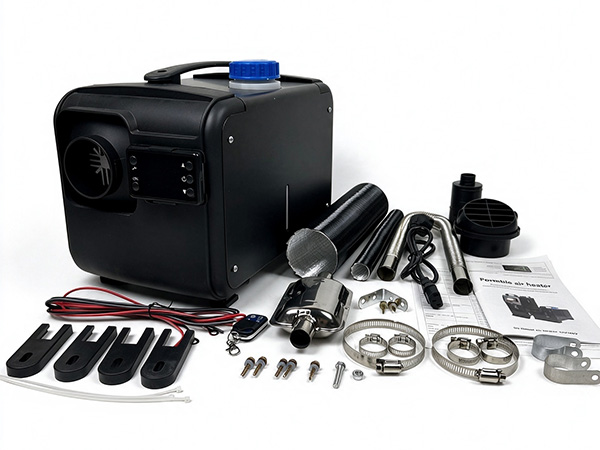
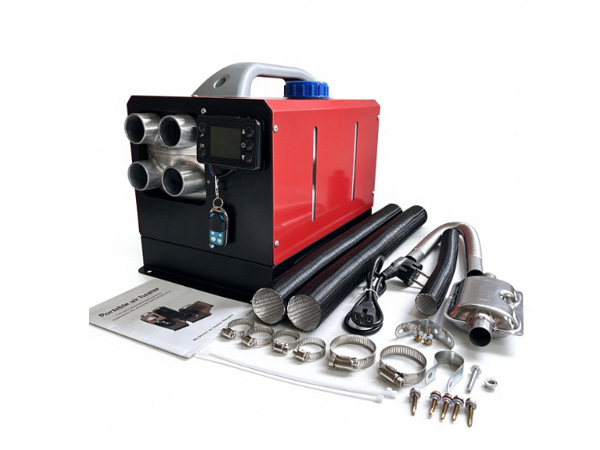
Note: The types and quantities of accessories can be adjusted according to customer require...
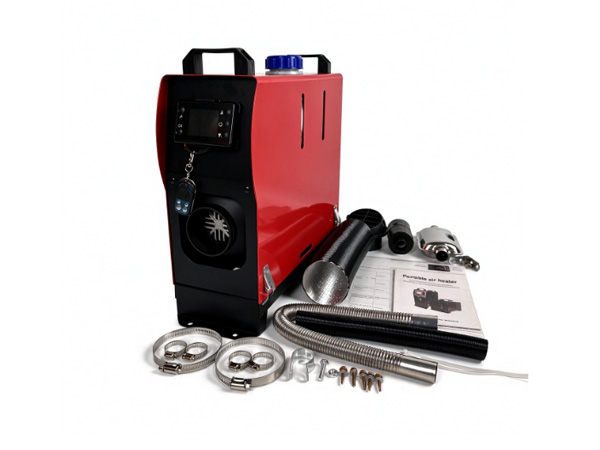
Diesel air heater 5KW/8KW Product Usage: Used for heating small spaces, suitable for small ...
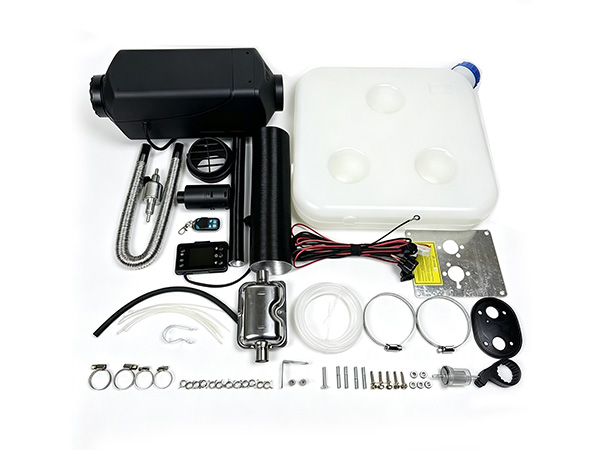
Product Specifications: Rated voltage:12V/24V/12V-24V Rated current:16A Thermal power:...