Horizontal vs Vertical Diesel Heaters Which Configuration Suits Your Needs
2026-09-04 12:07:04
Horizontal vs Vertical Diesel Heaters Which Configuration Suits Your Needs
Diesel heater orientation significantly impacts installation flexibility and performance characteristics. Horizontal and vertical configurations offer distinct advantages for different applications, and understanding these differences enables optimal heater selection for specific vehicle requirements. This guide examines the characteristics of each orientation to support informed decision-making.
Understanding Orientation Differences
Horizontal diesel heaters mount with their longest dimension parallel to the mounting surface, typically under seats, in storage compartments, or beneath vehicle floors. Vertical heaters orient perpendicular to mounting surfaces, standing upright with shorter horizontal footprints. Factory designs optimize each orientation for its intended mounting position and application requirements.
Internal component arrangements differ between orientations to accommodate the physical constraints of each configuration. Manufacturers engineer horizontal and vertical versions with modified air paths, fuel routing, and control placements that suit the orientation. Suppliers offering both configurations ensure customers can select appropriate options for their installation constraints.
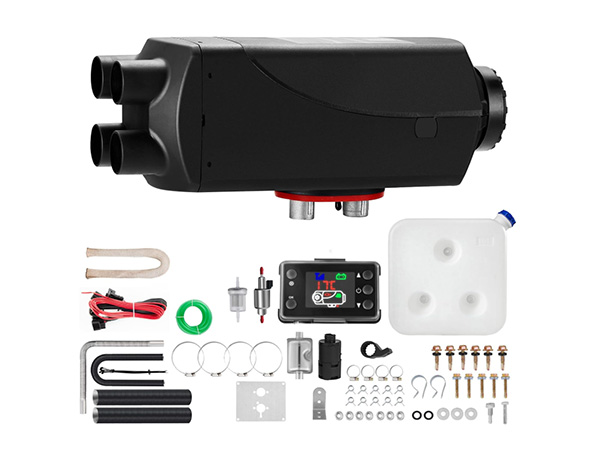
Horizontal Heater Characteristics
Horizontal configurations excel in applications with available floor or compartment space but limited vertical clearance. The extended horizontal profile positions air intake and outlet connections for straightforward ducting to cabin spaces. Factory horizontal designs typically position control panels at accessible locations for user convenience.
Installation beneath vehicle seats or floors proves common for horizontal heaters. This positioning keeps the heater out of living spaces while maintaining access for maintenance. Suppliers providing horizontal configurations include mounting hardware for typical under-floor and under-seat installations. The orientation works particularly well for trucks, vans, and vehicles with dedicated under-floor compartments.
Vertical Heater Advantages
Vertical configurations suit installations where horizontal space is limited but vertical clearance exists. The compact horizontal footprint enables installation in narrow compartments, alongside vehicle structures, or in corners where horizontal units wouldn't fit. Factory vertical designs optimize the upright configuration for efficient operation and service access.
Standing vertical orientation positions the heater for direct connection to overhead or forward air distribution systems. This proves advantageous in applications where heated air must rise naturally or where duct routing favors upward airflow. Suppliers offering vertical configurations address specific installation scenarios where these advantages matter.
Installation Space Requirements
Comparing space requirements helps determine appropriate orientation for specific applications. Horizontal heaters typically measure 30-45 centimeters in length, 10-15 centimeters in height, and 12-20 centimeters in width. Vertical heaters generally measure 20-30 centimeters in height, with horizontal dimensions of approximately 15-20 centimeters square. Factory specification sheets provide exact dimensions for planning installations.
Clearance requirements add to overall space needs. Both orientations require service clearance for maintenance access and operational clearance for airflow. Factory installation guidelines specify minimum clearances for each heater model. Suppliers providing detailed installation documentation help installers plan appropriate spaces for each configuration.
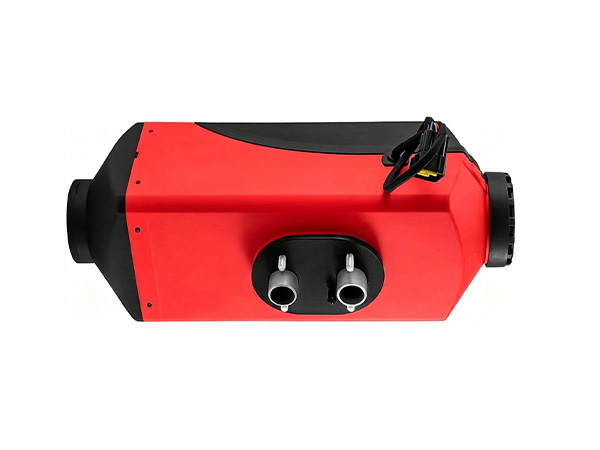
Airflow and Heating Performance
Heating performance remains consistent between properly installed horizontal and vertical configurations of equal capacity. Factory engineering ensures both orientations deliver rated heating output efficiently. The choice between orientations primarily affects installation convenience rather than heating capability.
Air distribution patterns may differ slightly between orientations due to outlet positioning. Horizontal heaters typically direct air horizontally or slightly upward, while vertical heaters often position outlets for upward or forward airflow. Suppliers providing airflow specifications help installers optimize duct connections for each orientation.
Maintenance Access Considerations
Service access requirements influence orientation selection for some applications. Horizontal heaters often provide service access through top or side panels, requiring clearance above or beside the unit. Vertical configurations typically access service points from the front or sides. Factory service instructions specify access requirements for each configuration.
Consider maintenance convenience when selecting orientation. Heaters installed in difficult-to-access locations complicate routine maintenance, potentially leading to deferred service that affects reliability. Suppliers emphasizing long-term support help customers plan installations that facilitate ongoing maintenance.
Application-Specific Recommendations
Semi-truck sleeper cabs typically favor horizontal installations under bunk compartments. The available space beneath sleeper bunks accommodates horizontal heaters with sufficient clearance for service access. Factory truck installation kits often specify horizontal configurations as standard for sleeper applications.
Van conversions frequently use horizontal heaters mounted under floors or in rear storage compartments. The orientation suits the typical van layout where horizontal space exists beneath the vehicle or within storage areas. Suppliers serving the van conversion market emphasize horizontal configurations for these applications.
Recreational Vehicle Applications
RV installations vary between horizontal and vertical orientations depending on available space and interior layout. Motorhomes with dedicated storage bays often accommodate horizontal heaters, while smaller travel trailers may require vertical configurations due to space constraints. Factory installation guidelines address common RV configurations for both orientations.
Fifth-wheel trailers present unique installation challenges that may favor either orientation depending on under-floor space and basement storage layout. Suppliers experienced with fifth-wheel installations can recommend appropriate orientations based on specific trailer models and floor plans.
Commercial Vehicle Considerations
Commercial vehicles with customized cab configurations may require orientation flexibility to accommodate various equipment installations. Both horizontal and vertical heaters serve commercial applications, with selection based on available installation space and integration requirements. Factory commercial vehicle installation programs offer both orientations to meet diverse fleet needs.
Delivery vans with partitioned cargo areas often install vertical heaters where horizontal space is consumed by cargo or other equipment. The compact horizontal footprint of vertical heaters enables installation in limited spaces. Suppliers serving delivery fleet customers provide orientation recommendations for common van configurations.
Performance in Extreme Conditions
Both orientations perform reliably in extreme temperatures when properly installed and maintained. Factory testing verifies performance across operating temperature ranges for each configuration. Orientation choice primarily affects installation practicality rather than extreme-weather capability.
Cold climate operation requires proper fuel system design regardless of orientation. Fuel line routing and heating affect cold-weather performance more significantly than heater orientation. Suppliers providing cold-climate installation guidance address these factors for both horizontal and vertical configurations.
Cost Comparison
Purchase prices for horizontal and vertical heaters of similar capacity typically remain comparable. Manufacturing costs for different orientations are similar, and market pricing reflects this. Factory pricing strategies generally don't differentiate significantly between orientations of equivalent capacity and feature levels.
Installation costs may differ based on complexity required for each orientation in specific applications. Orientation selection that simplifies installation reduces labor time and cost. Suppliers providing installation cost estimates help customers understand total investment differences between orientations.
Future Serviceability
Long-term ownership considerations include parts availability and service accessibility. Both orientations from established manufacturers typically have good parts availability and service support. Factory service networks maintain parts inventories for both horizontal and vertical configurations of supported products.
Service technician familiarity may vary between orientations. Technicians experienced with one orientation may need additional training for the other, though fundamental service procedures remain similar. Suppliers offering comprehensive service training prepare technicians for both configurations.
Making the Selection
Selecting between horizontal and vertical configurations requires evaluating available installation space, access requirements, and integration with vehicle systems. Factory documentation provides dimensional and clearance specifications enabling accurate planning. Suppliers offering pre-sale consultation help customers identify appropriate orientations for their specific applications.
Physical mock-ups during planning stages help verify fit before purchase. Creating cardboard templates matching heater dimensions reveals potential fit issues that dimensional analysis might miss. Suppliers assisting with installation planning may provide dimensional drawings or templates for this purpose.
Conclusion
Horizontal and vertical diesel heaters each offer distinct advantages for specific installation scenarios. Understanding the characteristics, requirements, and applications of each orientation enables optimal selection for diverse vehicle heating needs. Partnering with manufacturers offering both configurations ensures flexibility to choose the orientation that best suits specific requirements, backed by technical support and quality assurance.
References
Vehicle Heating Systems Engineering Association. "Orientation Effects on Heater Performance." VHSEA Technical Paper, 2024.
Installation Professional Magazine. "Horizontal vs. Vertical Heater Installations." Special Feature, 2023.
Commercial Vehicle Technology Review. "Space Optimization for Auxiliary Heating." CVTR Publication, 2024.
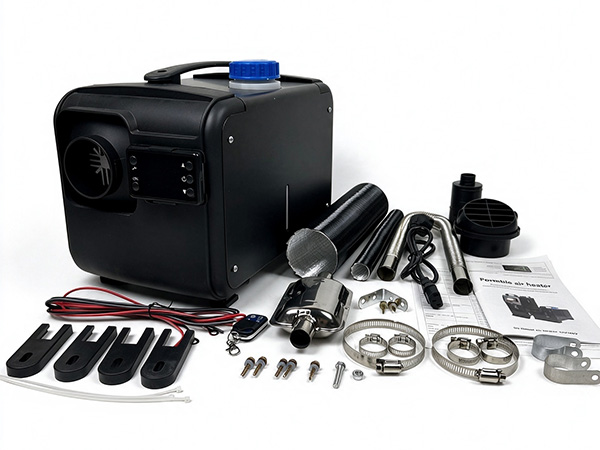
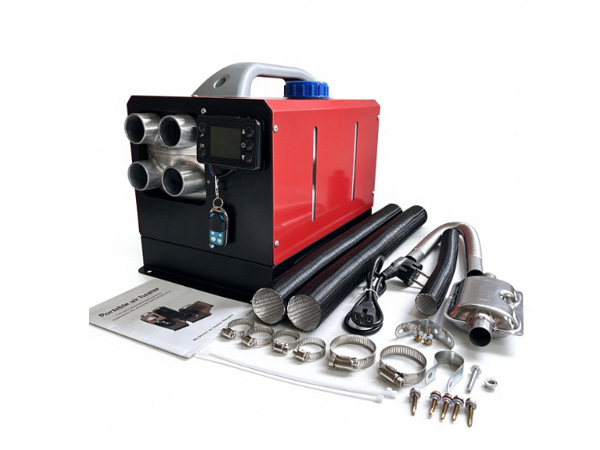
Note: The types and quantities of accessories can be adjusted according to customer require...
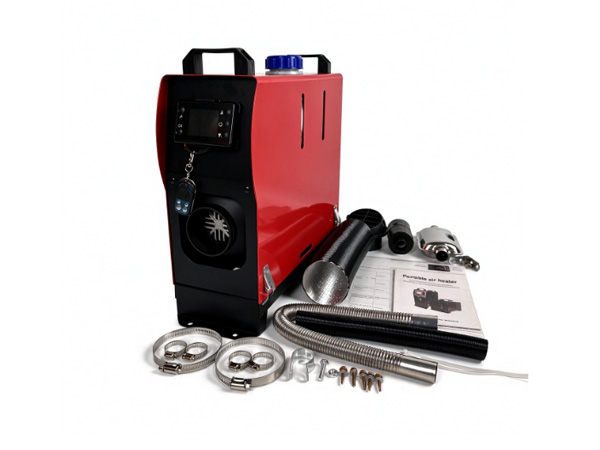
Diesel air heater 5KW/8KW Product Usage: Used for heating small spaces, suitable for small ...
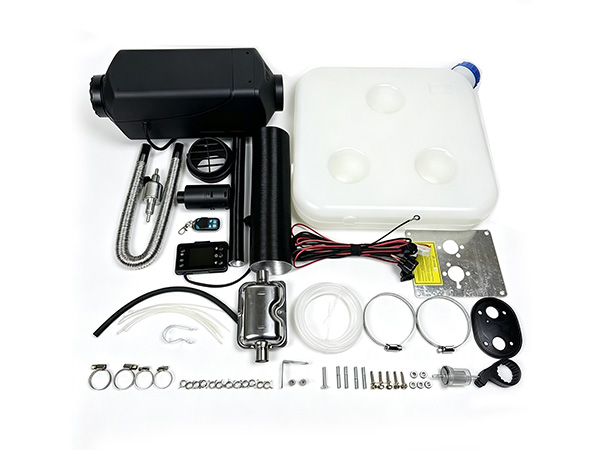
Product Specifications: Rated voltage:12V/24V/12V-24V Rated current:16A Thermal power:...