Diesel Heaters for RVs and Motorhomes Complete Buyer Guide
2026-09-07 12:23:24
Diesel Heaters for RVs and Motorhomes Complete Buyer Guide
Recreational vehicles present unique heating challenges that diesel heaters address with exceptional efficiency. Whether camping in cold weather, extending the travel season, or seeking independence from electrical hookups, RV owners increasingly recognize the advantages of diesel heating systems. This comprehensive guide covers essential considerations for selecting and using diesel heaters in recreational vehicles.
Understanding RV Heating Requirements
Recreational vehicles vary dramatically in size, insulation quality, and intended use, creating diverse heating requirements. Small camper vans may need only 2kW heating capacity, while large motorhomes with multiple slide-outs can require 5kW to 8kW heaters for adequate warmth. Factory specifications help RV owners match heater capacity to their specific vehicle requirements.
Seasonal use patterns affect heating system selection. RVs used primarily in mild seasons require less heating capacity than those used for winter camping. Full-time RV living demands robust heating systems capable of sustained operation throughout cold seasons. Suppliers serving the RV market understand these varied requirements and offer appropriate product ranges.
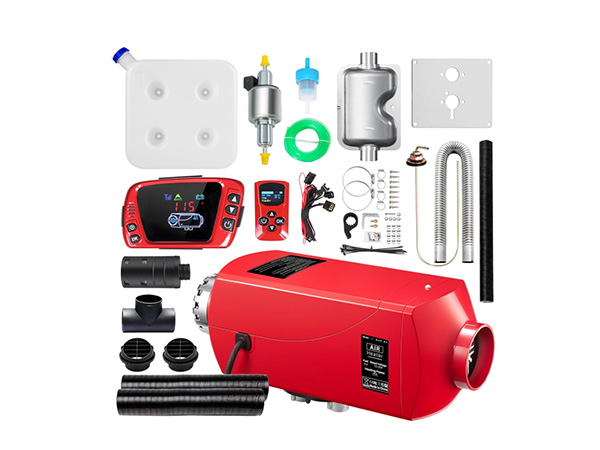
Advantages Over Propane Heating
Traditional propane furnaces have served RV heating needs for decades, but diesel heaters offer compelling advantages. Diesel fuel costs less per unit of heat generated than propane, creating ongoing operational savings. Factory comparisons demonstrate that diesel heating typically costs 30-50% less than equivalent propane heating over a season.
Fuel availability favors diesel in many remote camping locations. While propane refill stations can be scarce in rural areas, diesel fuel is available at virtually every gas station. This availability advantage proves significant for boondocking and extended travel in remote regions. Suppliers emphasizing RV applications highlight this convenience factor for overland travelers.
Boondocking and Off-Grid Capabilities
Diesel heaters excel in off-grid camping scenarios where electrical hookups are unavailable. Operating on 12V electrical systems, these heaters draw minimal power from RV batteries, enabling extended heating without shore power connection. Factory efficiency specifications quantify electrical consumption, allowing accurate battery capacity planning for off-grid use.
Independent operation from propane or electrical systems provides redundancy for heating security. When one fuel source becomes unavailable, diesel heating remains operational. This reliability proves valuable for extended trips where fuel access cannot be guaranteed. Suppliers offering versatile heating solutions emphasize this independence for adventurous RV owners.
Installation Considerations for RVs
RV installation presents unique challenges related to space constraints and vehicle construction. Factory installation guidelines address RV-specific considerations including exterior wall penetrations, floor mounting, and integration with existing ductwork. All-in-one heater designs often suit RV applications where installation simplicity and space efficiency are priorities.
Fuel source decisions affect RV heater installation. Many RVs lack diesel fuel tanks, requiring either connection to a vehicle chassis fuel tank (for diesel-powered RVs) or installation of a dedicated diesel container. Suppliers providing complete installation kits include fuel tank options and all necessary hardware for typical RV configurations.
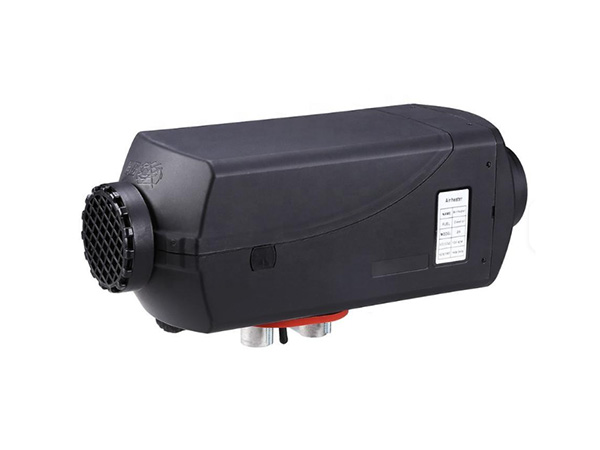
Capacity Selection Guidelines
Proper capacity selection ensures comfortable heating without excessive fuel consumption. As a general guideline, 2kW heaters suit camper vans and small travel trailers under 6 meters. Mid-sized travel trailers and Class C motorhomes typically require 5kW heaters. Large Class A motorhomes and fifth wheels often need 8kW heaters, particularly in cold climates. Factory recommendations provide specific guidance based on vehicle volume and insulation characteristics.
Climate considerations significantly impact capacity requirements. RVs operated in mild climates require less heating capacity than those encountering temperatures below freezing. Insulation quality also affects heating needs, with well-insulated RVs maintaining warmth more efficiently. Suppliers experienced with RV applications can help calculate appropriate capacity based on anticipated conditions.
Safety Features Important for RV Use
Safety assumes particular importance in recreational vehicles where occupants sleep in close proximity to heating equipment. Quality heaters incorporate multiple safety systems including over-temperature protection, flame monitoring, and tip-over shutdown. Factory certifications verify that heaters meet safety standards for recreational vehicle applications.
Carbon monoxide detection remains essential regardless of heater safety features. Install CO detectors in sleeping areas and verify proper exhaust system installation. Suppliers emphasizing RV safety include carbon monoxide detector recommendations and exhaust system guidance in their installation instructions.
Quiet Operation for Camping Comfort
Noise levels affect camping experience quality, particularly in quiet natural settings where RV owners seek tranquility. Modern diesel heaters operate at sound levels below 50 decibels during normal operation, quieter than many propane furnaces. Factory acoustic specifications enable comparison between heater models for noise-sensitive applications.
Installation techniques influence operational noise. Proper mounting with vibration isolation, adequate clearances, and correct exhaust routing minimize noise transmission. Suppliers providing detailed installation instructions help achieve quiet operation that preserves peaceful camping environments.
Integration with RV Systems
Modern RVs often incorporate sophisticated electrical and control systems that heaters must integrate with properly. Solar charging systems, lithium battery banks, and energy management systems require consideration when specifying heaters. Factory electrical specifications enable proper integration with these advanced RV systems.
Thermostat integration affects heating convenience and efficiency. Many diesel heaters connect to standard RV thermostats for unified climate control. Some advanced models include their own thermostat controls with digital displays. Suppliers offering integration flexibility enable seamless incorporation with existing RV control systems.
Maintenance Requirements
Diesel heaters require regular maintenance for reliable operation, but maintenance tasks prove straightforward for most RV owners. Air filter cleaning, fuel filter replacement, and periodic combustion chamber inspection constitute primary maintenance requirements. Factory maintenance schedules specify task frequencies and procedures appropriate for typical RV use patterns.
Seasonal maintenance coincides with RV winterization or de-winterization procedures. Pre-season heater verification before winter camping and post-season cleaning after heavy use ensure reliable operation. Suppliers supporting RV customers provide maintenance guidance tailored to the seasonal usage patterns typical of recreational vehicles.
Cost Comparison with Alternatives
Heating cost comparisons favor diesel over propane for sustained operation. While initial purchase costs for diesel heaters may exceed propane furnace prices, operational savings accumulate over time. Factory cost comparison tools enable RV owners to calculate break-even points based on their anticipated usage patterns.
Electric heating alternatives exist but require substantial electrical power, limiting their usefulness for off-grid camping. Diesel heaters operate efficiently on 12V power, enabling battery operation during boondocking. Suppliers offering both heating technologies can help RV owners understand the tradeoffs for their specific camping styles.
Warranty and Support Considerations
Warranty coverage provides protection for heating system investments. Quality heaters typically include 2-3 year warranties covering defects in materials and workmanship. Factory warranty terms reflect manufacturer confidence in product durability and provide recourse if problems develop.
Technical support availability proves valuable for RV owners encountering installation or operational questions. Suppliers maintaining customer service departments assist with troubleshooting and provide guidance for common issues. Factory support resources including manuals, videos, and technical hotlines enhance ownership experience and ensure successful heating system implementation.
Environmental Benefits
Diesel heaters contribute to reduced environmental impact compared to some heating alternatives. Efficient combustion produces fewer emissions per unit of heat than less efficient heating methods. Factory emissions testing documents environmental performance for environmentally-conscious RV owners.
Lower fuel consumption reduces the total carbon footprint of heating operations. The efficiency advantages of diesel heating over propane translate to reduced fuel transport and storage requirements. Suppliers emphasizing environmental responsibility can quantify these benefits for sustainability-focused RV owners.
Conclusion
Diesel heaters deliver efficient, reliable heating for recreational vehicles of all sizes and configurations. Understanding capacity requirements, installation considerations, and operational benefits enables RV owners to select appropriate heating solutions for their specific needs. Partnering with established manufacturers and suppliers ensures access to quality products, technical support, and the expertise needed for successful heating system implementation in recreational vehicle applications.
References
Recreation Vehicle Industry Association. "Heating System Selection Guidelines." RVIA Technical Bulletin, 2024.
RV Consumer Group. "Diesel vs. Propane Heating Cost Analysis." RVCG Research Report, 2023.
Overland Journal. "Off-Grid Heating Solutions for Extended Travel." Special Edition, Winter 2024.
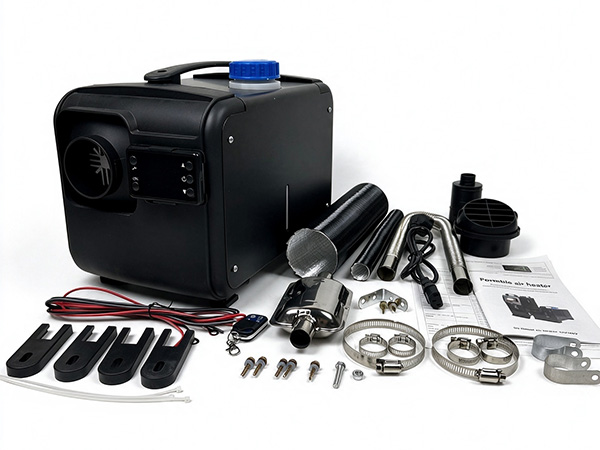
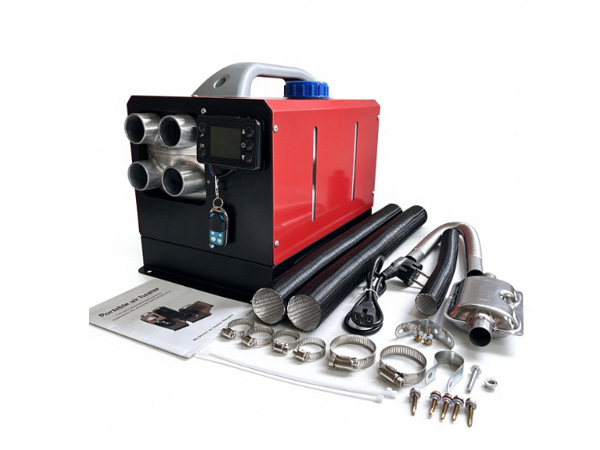
Note: The types and quantities of accessories can be adjusted according to customer require...
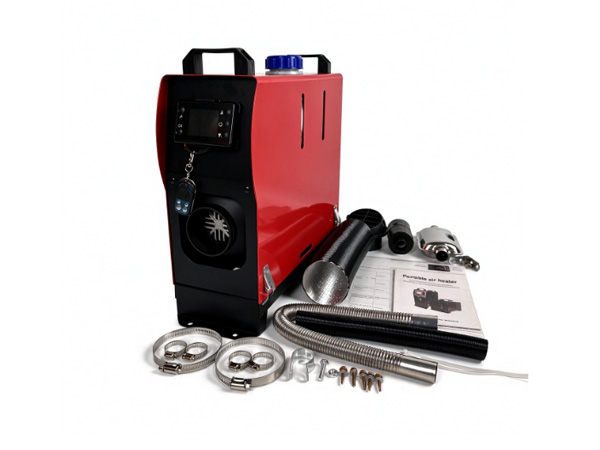
Diesel air heater 5KW/8KW Product Usage: Used for heating small spaces, suitable for small ...
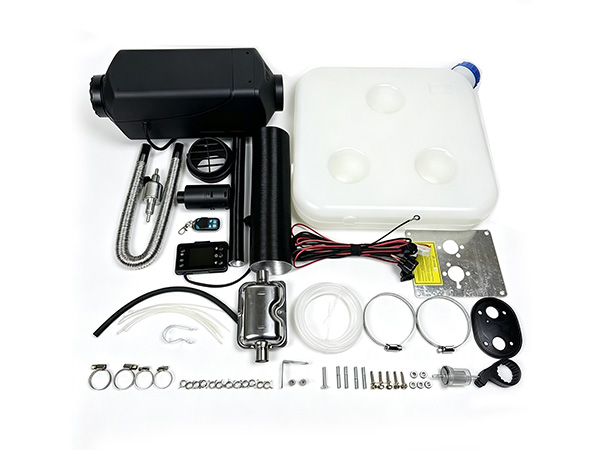
Product Specifications: Rated voltage:12V/24V/12V-24V Rated current:16A Thermal power:...