How Clean Is the Tailpipe of a Horizontal All-in-One Diesel Air Heater After Warm-Up?
2026-10-14 17:53:16
Looking at the tailpipe is a quick way to judge combustion health on a horizontal all-in-one diesel air heater. A brief startup wisp is normal, but what comes out once the unit is warm says whether the burner is running cleanly. Most owners are surprised by how little there is to see.
The Startup Wisp
During the first minute, the chamber is still below its working temperature and the first fuel doses burn slightly rich. A pale grey or faint blue plume is normal, especially in cold, damp air. This should clear as the exchanger reaches temperature and the flame stabilizes.
Steady-State Exhaust
At steady burn, exhaust from a well-tuned unit is nearly invisible. In very cold weather a thin condensation plume may appear briefly as moist gas meets frosty air, but it disperses quickly. There is no continuous black smoke, no dense white stream, and no oily smell. That near-transparent tailpipe is the sign of balanced air and fuel.
When the Tailpipe Tells a Story
Persistent smoke after warm-up points to a rich mixture, restricted combustion air, or soot buildup on the exchanger. A clean tailpipe on one day and smoky exhaust a week later usually follows a dirty filter or poor fuel. Regular checks keep the burner in the clean range it is designed for.
Reading Exhaust Over Time
A clean tailpipe on the day of install can change as the burner accumulates soot. Gradually darkening exhaust points to a slow buildup that a filter cleaning or a longer warm-up will reverse. Keeping an eye on the outlet after the first minutes of running turns the tailpipe into a simple, free diagnostic check.
Weather, fuel quality, and altitude all nudge combustion slightly, so a small variation between days is normal. What matters is a sustained change toward visible smoke after the burner has warmed and settled.
References
GB/T 7714: GUO R, LI L, SUN Z, et al. An integrated thermal management strategy for cabin and battery heating in range-extended electric vehicles under low-temperature conditions [J]. Applied Thermal Engineering, 2023, 228: 120502.
APA 7th: Guo, R., Li, L., Sun, Z., & Xue, X. (2023). An integrated thermal management strategy for cabin and battery heating in range-extended electric vehicles under low-temperature conditions. Applied Thermal Engineering, 228, 120502.
MLA 9th: Guo, R., et al. "An Integrated Thermal Management Strategy for Cabin and Battery Heating in Range-Extended Electric Vehicles under Low-Temperature Conditions." Applied Thermal Engineering, vol. 228, 120502.
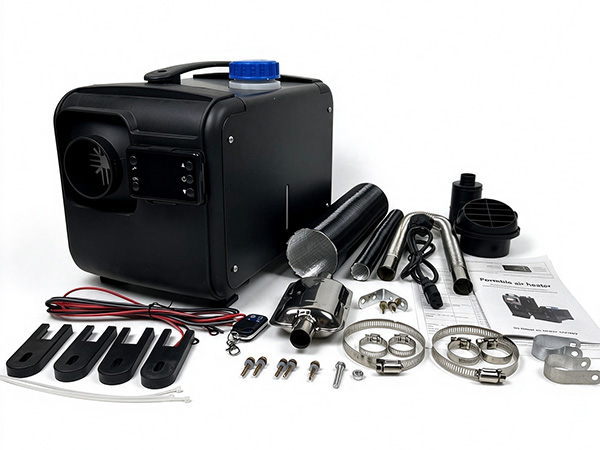
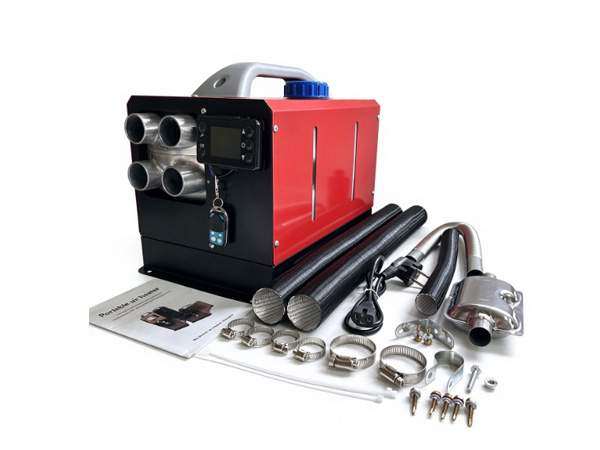
Note: The types and quantities of accessories can be adjusted according to customer require...
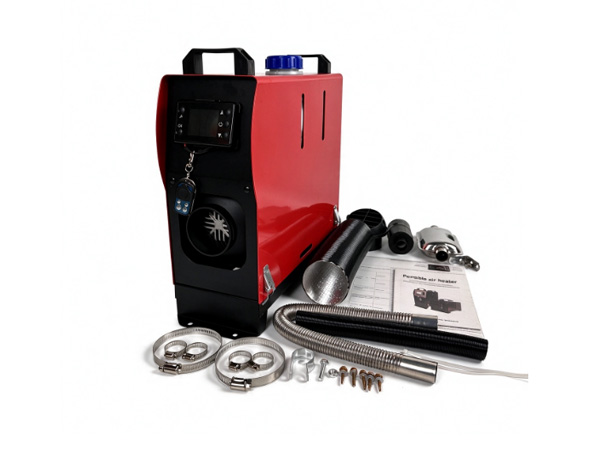
Diesel air heater 5KW/8KW Product Usage: Used for heating small spaces, suitable for small ...
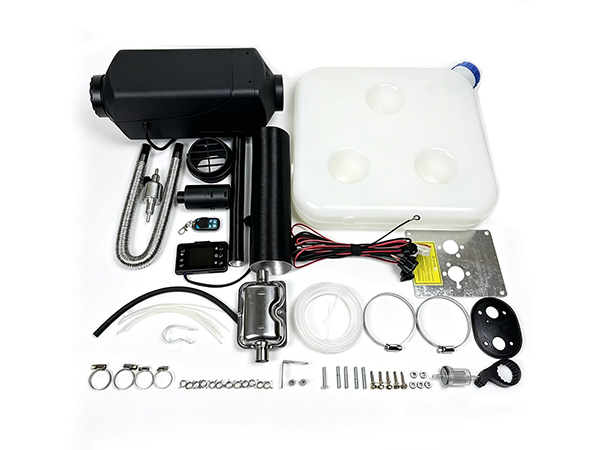
Product Specifications: Rated voltage:12V/24V/12V-24V Rated current:16A Thermal power:...