How to Install Diesel Heaters Professional Guide for Trucks and RVs
2026-09-10 12:51:46
How to Install Diesel Heaters Professional Guide for Trucks and RVs
Proper installation fundamentally determines diesel heater performance, safety, and longevity. Whether installing in commercial trucks, recreational vehicles, or specialty applications, following established procedures ensures the heating system operates safely and efficiently throughout its service life. This comprehensive guide covers essential installation requirements and best practices.
Pre-Installation Planning and Assessment
Successful installation begins with thorough planning and vehicle assessment. Evaluate available installation locations considering space requirements, accessibility for maintenance, and proximity to fuel and electrical sources. Factory installation manuals specify minimum clearances around the heater unit that must be maintained for safe operation and service access.
Determine the optimal heater location based on air circulation requirements. The heater must draw combustion air from outside the vehicle and deliver heated air effectively throughout the cabin. Suppliers providing professional installation services conduct comprehensive site surveys identifying potential challenges before beginning installation work.
Required Tools and Materials
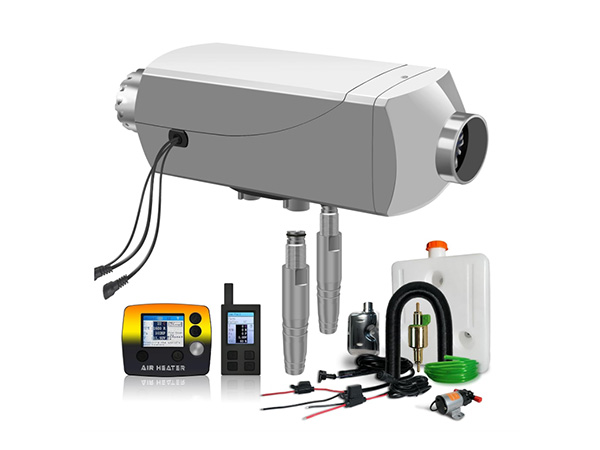
Professional installation requires appropriate tools and quality materials. Basic tool requirements include drills, hole saws, screwdrivers, wrenches, and wire crimping tools. Specialized requirements may include fuel line cutting and connection tools, exhaust pipe routing equipment, and electrical testing instruments. Factory installation kits provide necessary hardware and mounting components.
Material quality significantly impacts installation durability and safety. Use fuel lines rated specifically for diesel service, high-temperature exhaust components, and appropriately sized electrical wiring. Suppliers offering installation materials ensure these components meet safety standards, preventing problems that substandard materials could cause.
Mounting the Heater Unit
Secure heater mounting provides the foundation for reliable operation. The mounting surface must support the heater weight with adequate safety margin and resist vibration during vehicle operation. Factory mounting templates guide hole placement, and quality installation includes reinforcement where mounting surfaces lack inherent strength.
Orientation requirements vary between horizontal and vertical heater designs. Horizontal units require level mounting to ensure proper fuel and lubricant distribution within the heater. Vertical configurations have specific rotation orientation requirements for proper component alignment. Installation guides from manufacturers detail these critical orientation specifications.
Fuel System Installation
Fuel system installation demands particular attention to safety and reliability. Connection to the vehicle fuel tank requires proper fittings that don't leak or restrict fuel flow. When installing separate fuel containers, ensure secure mounting and proper venting. Factory specifications dictate fuel line routing away from heat sources and electrical components.
Fuel pump mounting location affects operational noise and fuel delivery consistency. Install the pump in locations isolated from the cabin to minimize noise transmission. Suppliers provide vibration-isolation mounts that reduce pump noise, and professional installation includes these components for quiet operation. Fuel line routing should minimize bends and elevation changes that could affect fuel delivery.
Combustion Air and Exhaust Systems
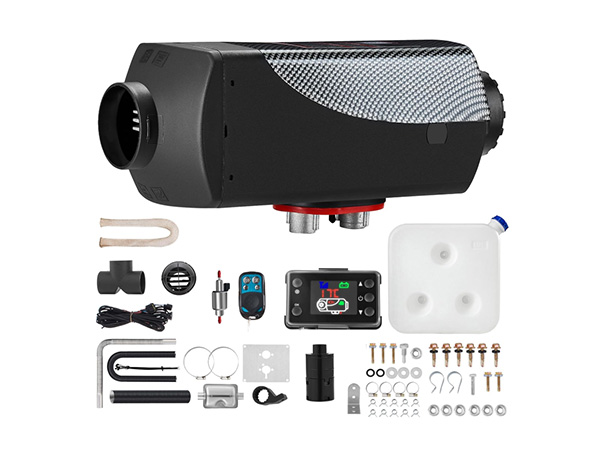
Safe heater operation requires proper combustion air intake and exhaust routing. The combustion air intake must draw fresh air from outside the vehicle, never from the cabin interior. Exhaust systems must route combustion products outside, away from windows, vents, or areas where people could be exposed to exhaust gases. Factory exhaust components meet high-temperature requirements and regulatory standards.
Exhaust system design prevents dangerous exhaust gas infiltration into the cabin. Install exhaust pipes with appropriate slope to prevent moisture accumulation, and ensure terminations face away from vehicle openings. Suppliers providing complete exhaust kits include all necessary components for safe exhaust system configuration. Professional installers follow strict protocols for exhaust system placement and sealing.
Electrical System Integration
Electrical installation requires proper wire sizing, protection, and connection methods. Heater current draw determines wire gauge requirements, with longer wire runs requiring larger conductors to prevent voltage drop. Factory electrical specifications provide wire sizing guidelines for various installation configurations. Include appropriate fuse protection at the power source connection.
Grounding ensures reliable operation and prevents electrical interference with other vehicle systems. Connect heater grounds to clean, corrosion-free metal surfaces using properly sized ground wires. Installation best practices include verifying ground continuity after connection. Suppliers emphasizing electrical system integrity provide detailed grounding instructions with their products.
Control Panel Installation
Control panel placement affects user convenience and operational safety. Mount the control panel where operators can easily access it without leaving their normal positions. For split systems, control panel cables must route carefully to avoid damage and interference. Factory control panel designs include mounting hardware for standard installation locations.
Modern heaters with remote control capability offer flexible control options. Install remote receivers in locations with adequate signal reception from hand-held remotes or smartphone applications. Installation procedures for advanced control systems typically require additional steps beyond basic heater mounting. Suppliers providing advanced control options include detailed setup instructions for these features.
Testing and Commissioning
Complete installation requires thorough testing before placing the heater in service. Verify fuel system integrity by pressurizing the system and checking for leaks at all connections. Electrical testing confirms proper voltage at the heater and control panel. Factory commissioning procedures specify test requirements and acceptable results for each system.
Initial heater operation testing verifies proper combustion and heating performance. Monitor the heater through several operational cycles, checking for unusual sounds, smells, or performance issues. Installation verification includes confirming that exhaust gases exit properly and that cabin heating achieves expected temperature rise. Professional installers document test results for customer records and warranty purposes.
Safety Considerations and Compliance
Heater installation must comply with applicable safety standards and regulations. Factory certifications indicate that heaters meet safety requirements when installed according to manufacturer instructions. Professional installation ensures compliance with these standards, maintaining safety certification validity. Suppliers providing certified heaters include installation requirements that preserve certification compliance.
Carbon monoxide safety demands particular attention during installation. Install carbon monoxide detectors in vehicles with diesel heaters, and verify that exhaust systems prevent CO infiltration. Installation in sleeping areas requires additional safety measures. Professional installers understand these requirements and implement appropriate safeguards as part of standard installation procedures.
Professional vs. DIY Installation
Professional installation offers advantages beyond technical expertise. Certified installers receive factory training on proper procedures and safety requirements. Their experience with numerous installations enables efficient problem-solving when challenges arise. Suppliers maintaining installer networks ensure customers can access qualified professionals for their heating system installation.
Warranty considerations often favor professional installation. Many manufacturers require professional installation to maintain warranty coverage, particularly for commercial applications. Documentation of professional installation provides evidence supporting warranty claims if issues develop. Factory authorized service centers can verify installation quality and address any concerns before they cause problems.
Maintenance Access Provision
Installation planning must account for future maintenance requirements. Position heaters where service personnel can access filters, inspection ports, and other maintenance points. Factory maintenance instructions specify access requirements for various procedures. Installation that blocks service access creates ongoing difficulties that eventually require expensive remediation.
Documentation provided during professional installation supports future maintenance activities. Installation diagrams, wiring schematics, and component location records enable efficient troubleshooting and repair. Suppliers supporting professional installers provide documentation templates that ensure comprehensive records accompany completed installations.
Conclusion
Proper diesel heater installation ensures safe, efficient operation throughout the heating system's service life. Understanding installation requirements, following established procedures, and utilizing quality materials creates reliable heating solutions for trucks, RVs, and specialty vehicles. Partnering with experienced installers and reputable suppliers provides access to expertise and support that maximizes heating system value and safety.
References
Automotive Service Excellence. "Auxiliary Heating System Installation Standards." ASE Certification Guide, 2024.
Recreational Vehicle Safety Education Foundation. "Heater Installation Safety Protocols." RVSEF Publication, 2023.
Commercial Vehicle Maintenance Institute. "Diesel Heater Installation Best Practices." CVMI Technical Bulletin, 2023.
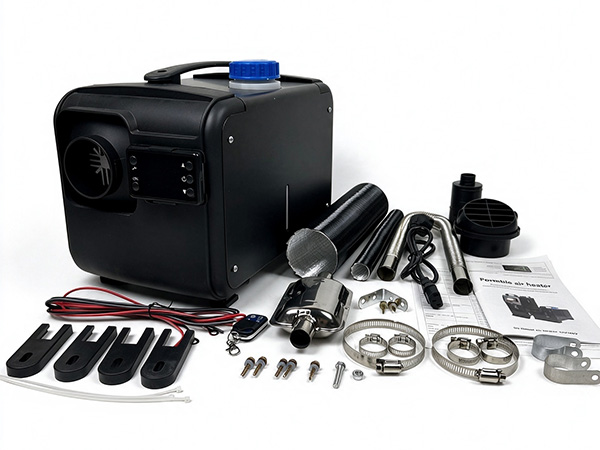
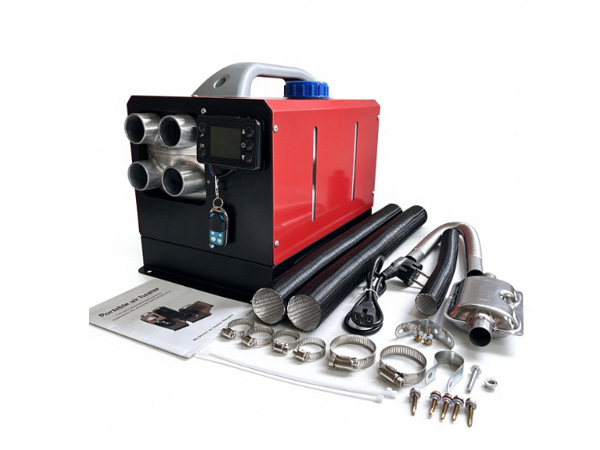
Note: The types and quantities of accessories can be adjusted according to customer require...
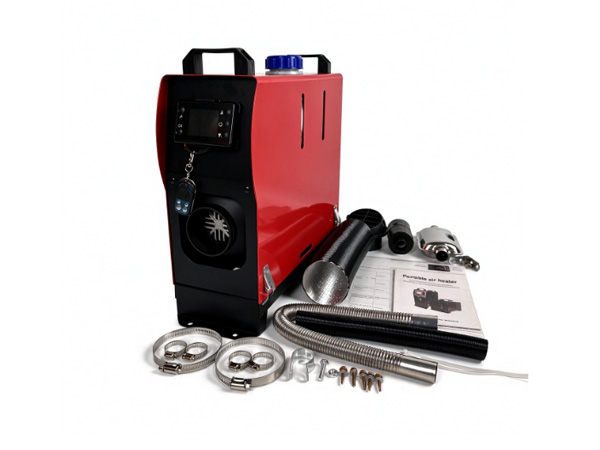
Diesel air heater 5KW/8KW Product Usage: Used for heating small spaces, suitable for small ...
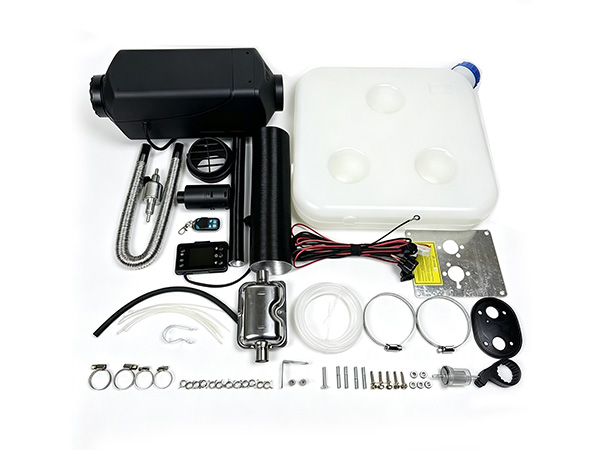
Product Specifications: Rated voltage:12V/24V/12V-24V Rated current:16A Thermal power:...