How Diesel Air Heaters Save Fuel
2026-10-13 17:58:35
For drivers, boat owners and workshop users, the old way to stay warm in winter was to leave the engine running. It works, but it burns a surprising amount of diesel and adds hours to the engine's life. A diesel air heater saves fuel by heating the space directly while the engine stays off, and the difference is large enough to notice on every winter trip.
The Cost of Idling to Stay Warm
A large truck engine can burn between one and three litres of diesel per hour just idling, and a car engine still uses several litres over a night of parked heating. On top of the fuel bill, idling causes unnecessary wear on the engine, oil and related parts, and raises exhaust emissions where people are sleeping or working. Research on idle-reduction technologies confirms that auxiliary heating is one of the most effective ways to cut this waste.
How a Heater Uses Far Less Fuel
A diesel air heater heats only the air it needs, rather than dragging the whole engine up to operating temperature. A 2kW to 5kW unit consumes roughly 0.1 to 0.6 litres per hour, depending on the setting, compared with the many litres an idling engine burns. Because the heater modulates down to a low-flame cycle once the cabin is warm, average consumption overnight can be even lower than the rated hourly figure suggests.
Where the Savings Add Up
The fuel saving is biggest for people who heat regularly: truck drivers on multi-day routes, van lifers spending the winter on the road, and boats left in cold marinas. Even a few hours a night across a cold season quickly turns into tens or hundreds of litres of saved diesel. For fleets, fitting auxiliary heaters to every sleeper cab reduces both fuel expense and the idle-time limits that many regions now enforce.
Battery and Engine Life Benefits
Saving fuel is not the only advantage. By keeping the engine off, the heater avoids cold-start wear, oil dilution and exhaust-system damage that long idling causes. Modern heaters also manage the battery, switching off before the supply drops too low to start the engine. The result is a warmer rest, a healthier engine and a lower total running cost.
Realistic Expectations
A heater will not replace driving climate control, and it works best when the space is reasonably insulated. Sized correctly, serviced regularly and used with a sensible thermostat setting, it pays for itself in saved fuel within a single winter season. The key is to choose the right kilowatt rating for the space and let the heater run in its efficient low-flame mode rather than demanding maximum heat all night.
References
Zietsman, J., Johnson, J., Ramani, T., Farzaneh, R., Rodgers, M., Samoylov, A., Xu, Y., & Moore, A. (2015). Effectiveness of idle reduction technologies in reducing driver exposure to diesel emissions. Transportation Research Record: Journal of the Transportation Research Board.
Miklnek, L., & Gotfrd, O. (2014). Study of exhaust emissions reduction of a diesel fuel operated heater during transient mode of operation. Czech Technical University in Prague.
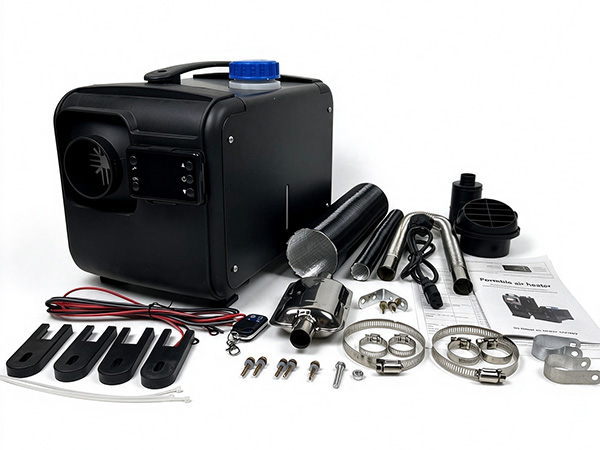
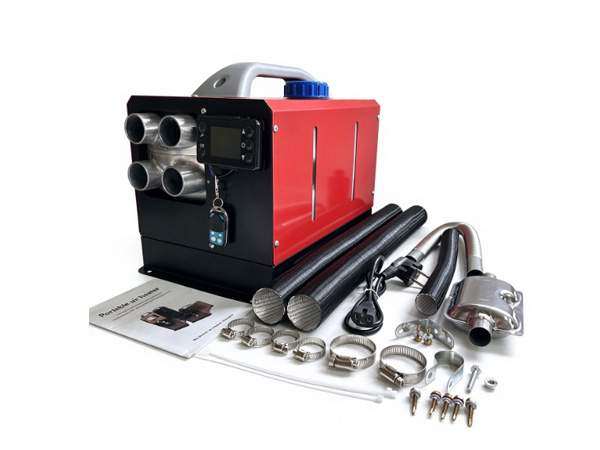
Note: The types and quantities of accessories can be adjusted according to customer require...
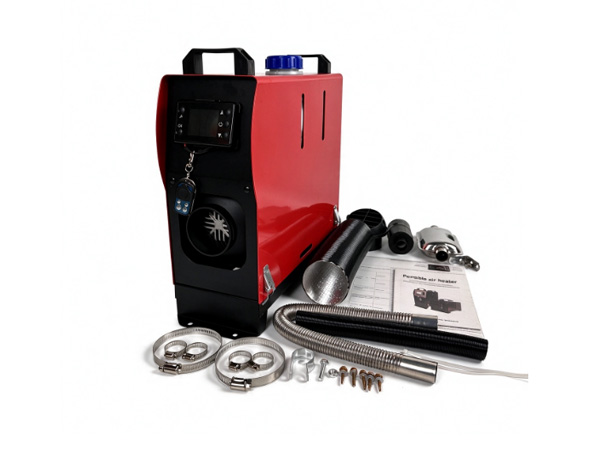
Diesel air heater 5KW/8KW Product Usage: Used for heating small spaces, suitable for small ...
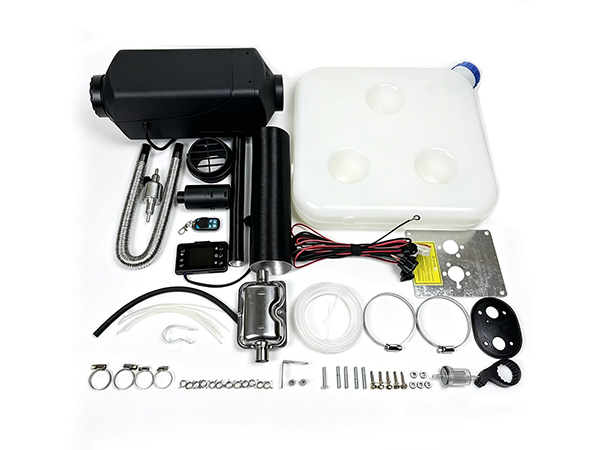
Product Specifications: Rated voltage:12V/24V/12V-24V Rated current:16A Thermal power:...