Temperature Control Technology in Modern Diesel Parking Heaters
2026-09-24 13:19:04
Temperature Control Technology in Modern Diesel Parking Heaters
Effective temperature management distinguishes modern diesel parking heaters from basic heating units that simply cycle on and off without regard to actual cabin conditions. Contemporary heating systems incorporate sophisticated electronic controls, precise sensors, and intelligent algorithms that maintain comfortable temperatures while maximizing fuel efficiency. Understanding these temperature control technologies helps vehicle operators appreciate the engineering sophistication that contemporary heaters incorporate.
Thermostat System Fundamentals
Temperature sensing forms the foundation of intelligent heater control, providing the input data that enables automated temperature management. Modern heaters employ thermistor or thermocouple sensors that translate cabin air temperature into electrical signals readable by control electronics. Factory-calibrated sensors provide accuracy within one degree Celsius across the operating temperature range, enabling precise climate control that maintains comfortable conditions.
Sensor placement significantly affects control system performance by determining what temperature the heater actually regulates. Some systems measure temperature at the heater outlet, controlling the temperature of air entering the cabin rather than overall cabin temperature. More sophisticated arrangements employ multiple sensors throughout the cabin, enabling more accurate representation of actual comfort conditions. Factory engineering optimizes sensor placement based on extensive testing and customer feedback.
Temperature sensor reliability throughout extended service lives requires robust construction that resists degradation from thermal cycling and environmental exposure. Quality manufacturers select sensors rated for the demanding conditions within heater assemblies, testing long-term stability as part of product development. This sensor durability ensures that control accuracy remains consistent throughout years of service.
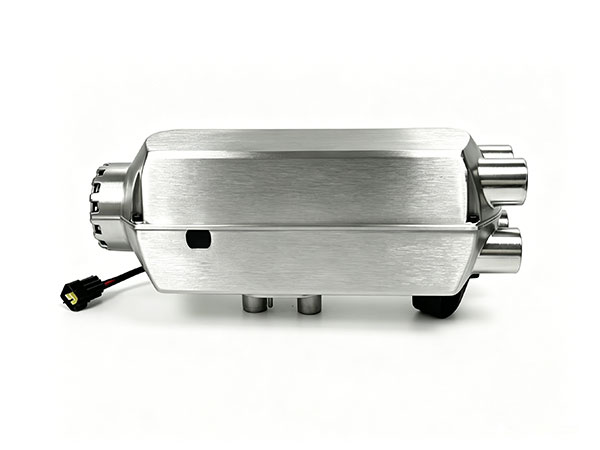
Modulating Output Control
Variable output capability represents a significant advancement over simple on-off heater control. Rather than cycling between full power and complete shutdown, modulating heaters adjust combustion intensity to match actual heating demand. This continuous adjustment maintains stable temperatures without the temperature swings that simple cycling creates, improving both comfort and fuel efficiency simultaneously.
Factory-engineered modulation systems adjust fuel delivery rates, combustion air intake, and blower speed together to achieve smooth output transitions. The sophistication of this coordinated adjustment distinguishes quality modulating heaters from basic units that merely vary fuel delivery without corresponding air supply optimization. Proper air-fuel ratio maintenance throughout the modulation range ensures efficient combustion regardless of output level.
Minimum output settings prevent excessive cycling when heating demand falls below full capacity. These low-fire settings allow heaters to maintain temperature during mild conditions that would otherwise cause frequent on-off cycling. Quality manufacturers optimize minimum output levels based on typical usage conditions and customer comfort expectations.
Programmable Timer Functions
Integrated timers enable scheduled heater activation that prepares vehicles before drivers need cabin warmth. Pre-heating schedules ensure warm cabins upon vehicle entry without requiring drivers to remember activating the heater manually. Factory-programmable timers offer flexibility to match diverse usage patterns, from early morning departures to overnight rest periods.
Multi-event scheduling allows different activation times for different days, accommodating variable work schedules that differ between weekdays and weekends. Drivers with inconsistent schedules appreciate this scheduling flexibility that adjusts heater activation automatically based on programmed patterns. Factory timer technology provides reliable operation that requires minimal user attention after initial programming.
Countdown timers provide convenient short-term heating activation that proves useful for quick warm-ups during breaks or lunch periods. These simple timer functions operate independently of complex scheduling, enabling immediate heating activation with automatic shutoff after selected durations. This straightforward operation complements more sophisticated scheduling capabilities.
Remote Control and Connectivity
Wireless remote controls provide convenient activation from distances that eliminate the need to enter cold vehicles before heating begins. Factory-engineered remotes communicate securely with heater receivers, preventing interference from other wireless devices while maintaining reliable operation across typical activation distances. Compact remote designs pocket conveniently for drivers who appreciate portable control convenience.
Smartphone applications extend control capabilities beyond traditional remotes, enabling heater activation from anywhere cellular or wireless connectivity reaches. Drivers approaching vehicles from considerable distances can verify cabin status and activate heating as needed, ensuring warm cabins regardless of advance preparation time. Factory application development provides user-friendly interfaces that make smartphone control intuitive and accessible.
Integration with vehicle telematics systems enables fleet-wide heater monitoring and control that supports operational management objectives. Fleet operators appreciate visibility into heater status across multiple vehicles, enabling proactive response to heating problems before they affect driver comfort or productivity. Factory telematics integration options address these fleet management requirements.
Altitude Compensation Technology
Reduced air density at elevation affects combustion efficiency in ways that require adaptive control to maintain consistent heating performance. Altitude compensation systems automatically adjust air-fuel ratios as elevation changes, maintaining proper combustion regardless of atmospheric conditions. This automatic adaptation proves particularly valuable for vehicles operating across varying terrain.
Factory altitude compensation calibration ensures heaters perform correctly across the elevation range vehicles might encounter. Manual adjustment options allow operators to configure elevation compensation for their typical operating territories when automatic systems prove unavailable. Understanding elevation effects helps operators select appropriately equipped heaters for their specific geographic requirements.
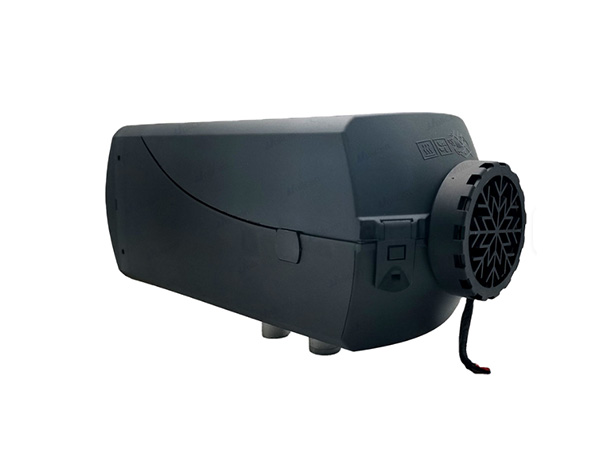
Diagnostic and Status Displays
Digital displays communicate heater status and operational information that helps users understand system performance. Temperature readings, heating mode indicators, and error codes provide transparency that enables informed operation and efficient troubleshooting when problems occur. Factory display engineering balances information accessibility with user-friendliness that doesn't overwhelm casual users.
Error code systems enable efficient service by directing attention to specific problem areas rather than requiring exhaustive troubleshooting from first principles. Quality manufacturers provide comprehensive error code documentation that explains each code meaning and recommended responses. This diagnostic support accelerates repair processes that minimize vehicle downtime.
Energy-Saving Operating Modes
Eco operating modes prioritize fuel economy over rapid heating, modulating output to minimum levels that maintain comfortable temperatures while consuming fuel at lowest possible rates. These modes prove valuable during extended stationary periods where fuel conservation outweighs the priority of rapid temperature achievement. Factory mode selections enable user choice between economy and response characteristics.
Sleep modes reduce electrical consumption during extended idle periods, drawing minimal battery power while maintaining sufficient standby readiness for immediate activation. These modes extend battery life in applications where vehicles sit for extended periods without engine running to replenish battery charge. Factory engineering optimizes sleep mode characteristics for minimal power consumption without sacrificing responsiveness.
Integration with Vehicle Systems
Modern vehicle integration enables heater control through existing dashboard interfaces and multi-function displays. Factory integration solutions present heater controls within familiar vehicle interfaces, reducing the control complexity that separate heater interfaces might create. This integration simplifies operation while maintaining access to full heater functionality.
Automated start-stop system coordination prevents heater operation during vehicle movement when engine-based heating provides adequate warmth. Factory integration with vehicle management systems enables coordinated operation that optimizes overall vehicle climate control without requiring separate heater management. This system coordination improves both user experience and overall vehicle efficiency.
Future Control Technologies
Artificial intelligence applications promise heating control optimization that learns from usage patterns and environmental conditions. Future heater generations may automatically adapt operating schedules and temperature targets based on accumulated usage data, providing personalized comfort without explicit user programming. Factory research investments explore these advanced control possibilities.
Voice control integration represents another development direction as natural language interfaces become increasingly common in vehicle applications. Future heaters might respond to voice commands that eliminate manual control interface requirements entirely. These voice integration capabilities align with broader vehicle technology trends that emphasize hands-free operation.
Conclusion
Temperature control technology transforms basic heating into intelligent climate management that delivers superior comfort and efficiency. Understanding these control capabilities helps vehicle operators appreciate the value that contemporary heaters provide and select appropriately featured products for their specific requirements. Partnering with manufacturers and suppliers who invest in control technology development ensures access to heating solutions that continue advancing in capability and user satisfaction.
References
Society of Automotive Engineers. "Intelligent Heating Control System Standards." SAE Technical Paper 2024-01, 2024.
HVAC Control Systems Institute. "Temperature Regulation Technology in Mobile Applications." HCS Publication, 2023.
Vehicle Electronics Standards Organization. "Digital Heater Control Interface Standards." VESO Technical Guide, 2024.
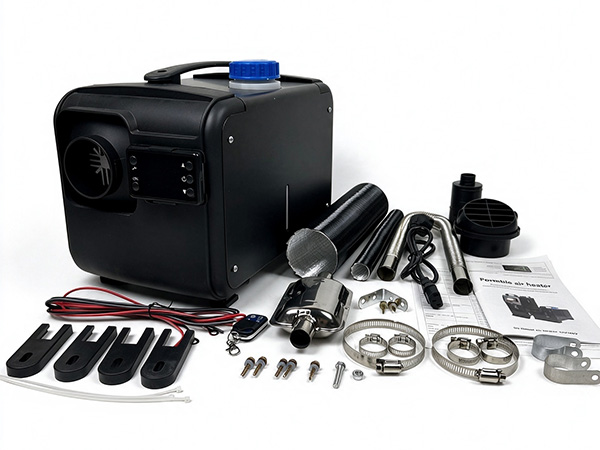
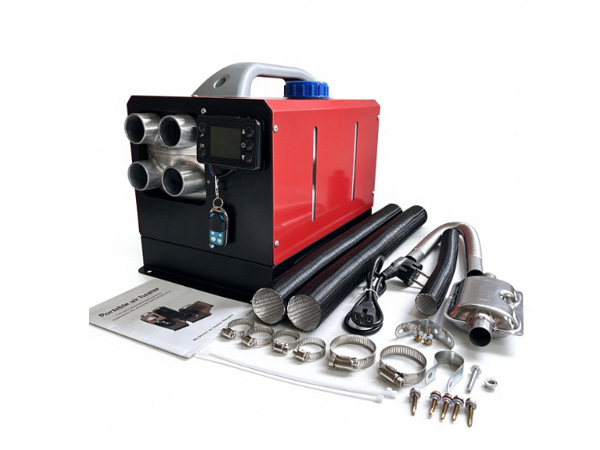
Note: The types and quantities of accessories can be adjusted according to customer require...
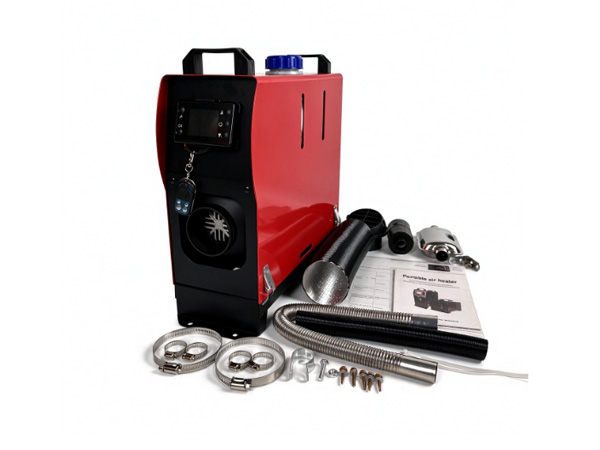
Diesel air heater 5KW/8KW Product Usage: Used for heating small spaces, suitable for small ...
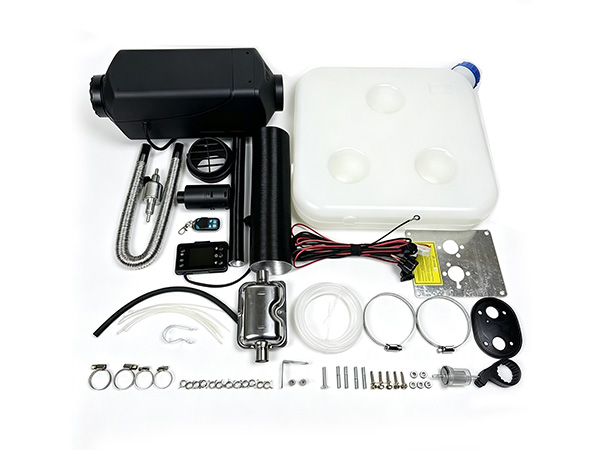
Product Specifications: Rated voltage:12V/24V/12V-24V Rated current:16A Thermal power:...